Generic and biosimilar medicines made in the United States most often depend on chemistry done in several other countries. Key starting materials, intermediates, and active pharmaceutical ingredients (APIs) each have their own supply chain, and a disruption at any link can reach the pharmacy shelf. That was the reality Tuesday’s main stage panel took on in a conversation moderated by AAM Senior Director, Sciences and Regulatory Affairs, Scott Kuzner: what it will take to make the generic and biosimilar supply chain more resilient, and how much of it can be built at home.
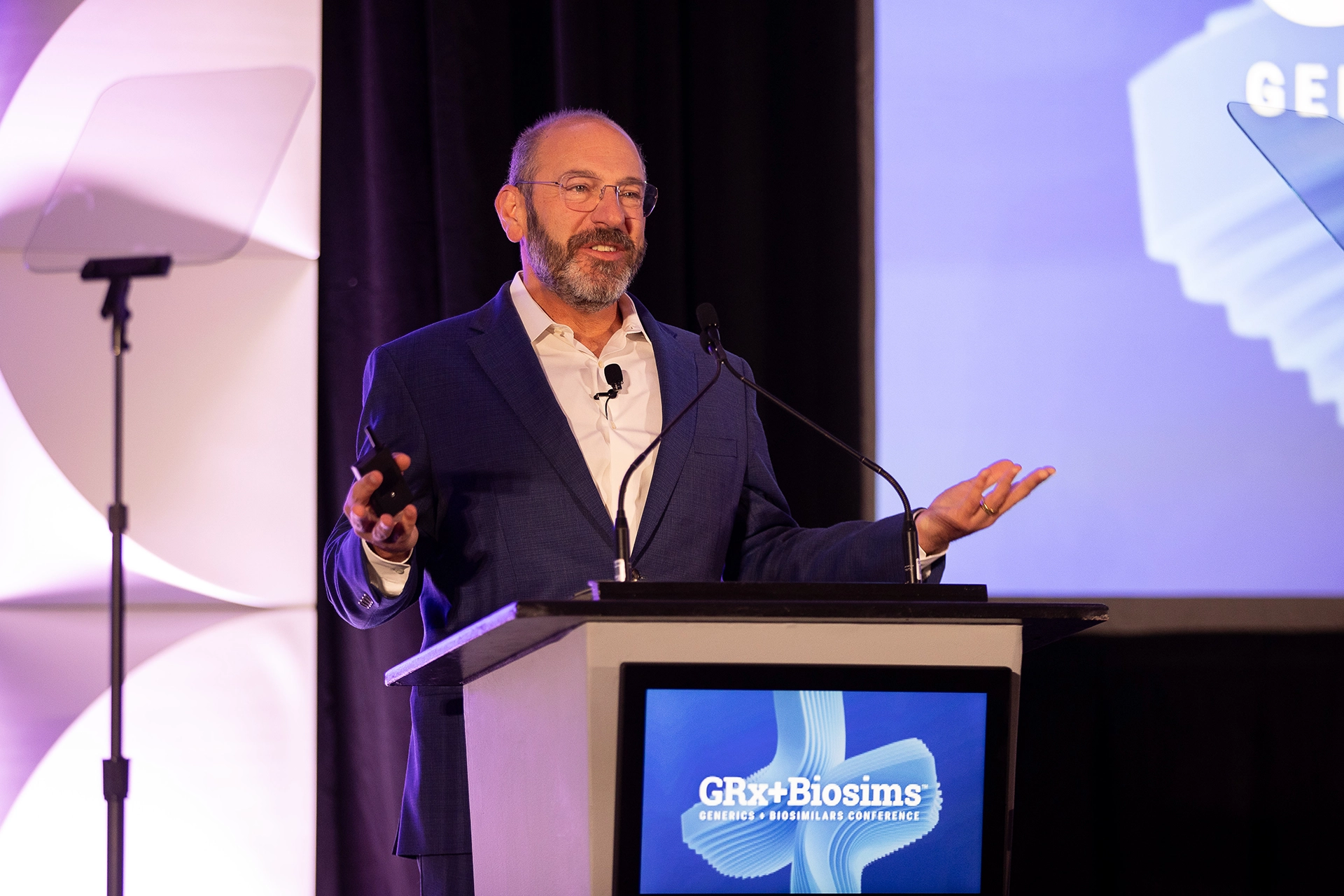
Knowing where the risk sits. U.S. Pharmacopeia CEO Ronald Piervincenzi opened the panel with the fact base from USP’s Medicine Supply Map. Finished doses for the U.S. market come mostly from the U.S. and India: U.S. plants make 38 percent of volume across all dosage forms and 45 percent of injectables, while India supplies 60 percent of solid oral doses. Upstream, the picture shifts. India supplies 39 percent of generic API volume for the U.S. market, compared with 13 percent made domestically. Drug master files are a leading indicator of future API supply. Of those filed in 2025, 46 percent came from India and 44 percent from China. Only 3 percent came from the U.S. Further upstream still, 58 percent of the key starting materials behind U.S.-approved APIs are sole sourced from a single country, most often China.
Piervincenzi’s conclusion was that no one can fix this alone. “A single purchaser can’t fix this. A single manufacturer cannot fix it,” he said. Purchasers need credible data to reward suppliers that invest in resilience. Manufacturers need to know the benchmarks and have the ability to recover certain costs through their contracts. Longer, more durable contracts for medicines made in resilient systems would put private market forces to work. “If we prefer resilience, we’ll get far with it.”
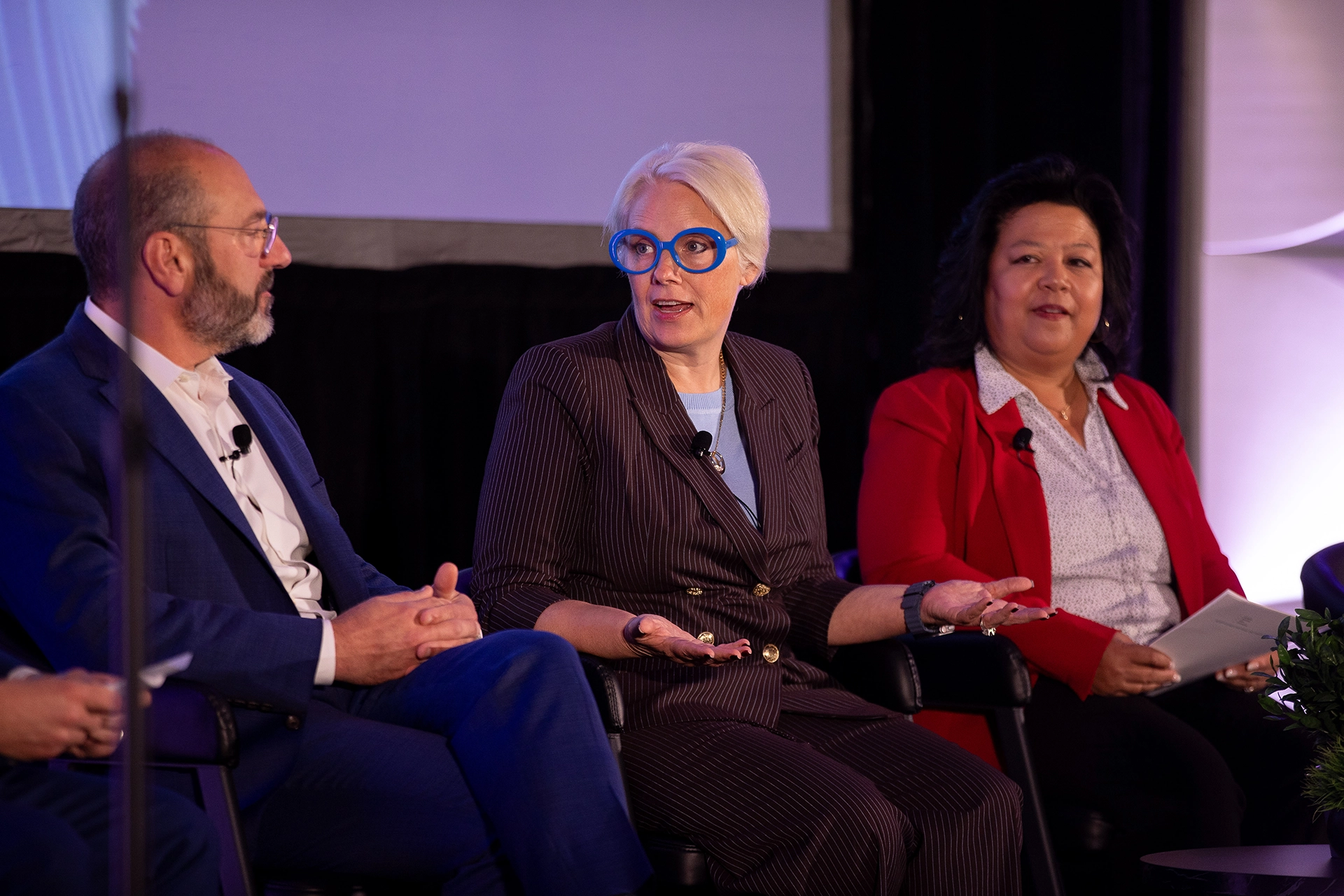
Apotex’s Christine Baeder, former chair and current AAM board member, brought the industry view. “For those of us in the U.S. generic industry, resilience starts with a different reality: economics,” she said. Generics deliver 90 percent of prescriptions dispensed in the U.S., but price erosion, customer consolidation, and rising regulatory costs have squeezed margins. “Procurement systems reward only the lowest price, unintentionally discouraging investment in redundancy, inventory, domestic capabilities, and alternative sources of supply.” Baeder’s prescription: incentives for diversified API sourcing, faster reviews for qualified secondary suppliers, support for domestic and friendshored manufacturing capacity, and purchasing models that reward continuity of supply. “Resilience has a cost, but shortages have a far greater cost.” The companies that succeed, she said, “will be those that move beyond supply chains and begin building supply ecosystems.”
Start where the leverage is. Baeder argued for friendshoring alongside reshoring: “Resilience does not require that every API be manufactured in the United States,” but reducing concentration in a few countries is an overdue first step. She was realistic about where to start. The key starting material industry is so large and fragmented, she noted, that no generic manufacturer could confidently name its top 100 suppliers, so the work should begin with finished dose and API.
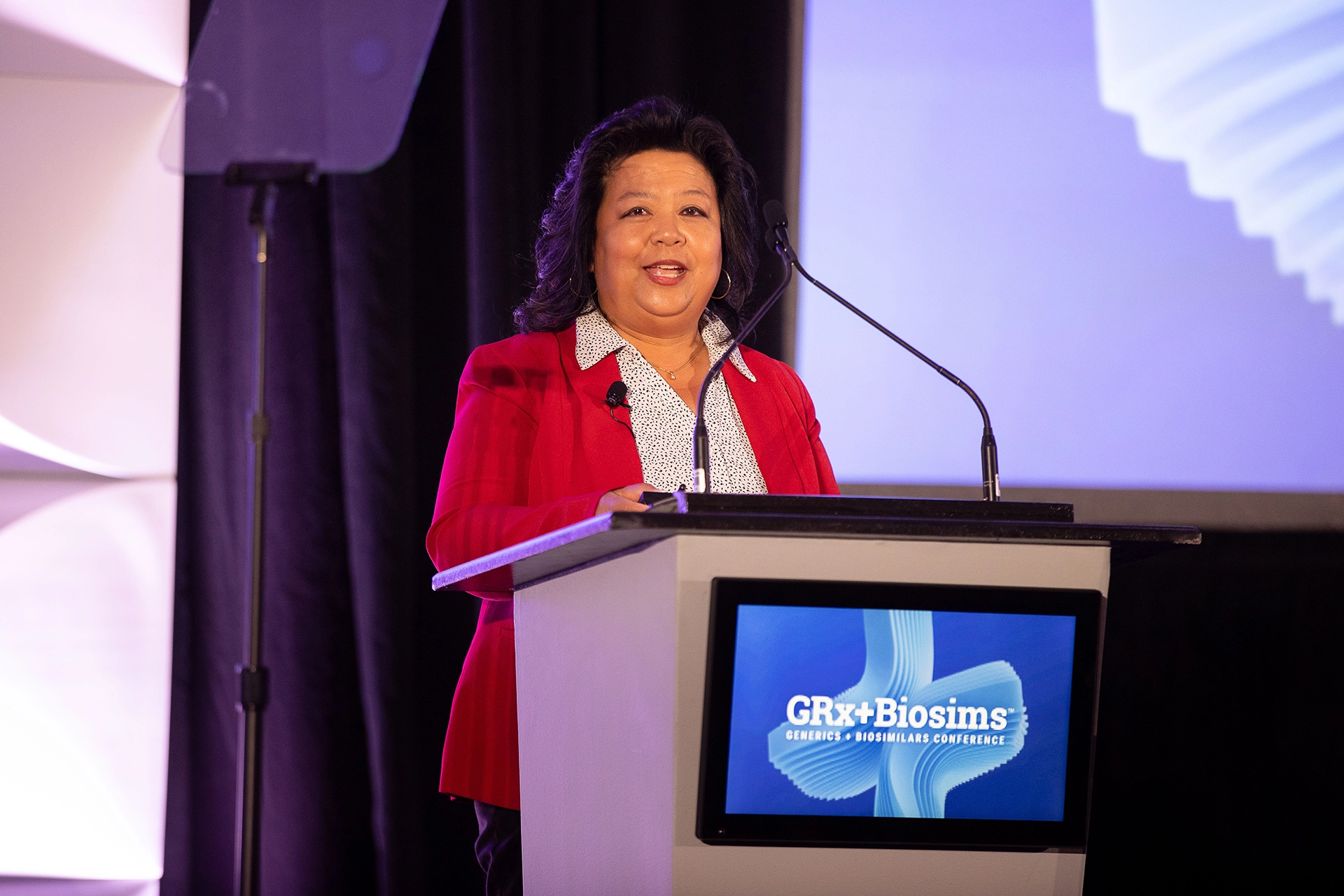
Washington is building, too. Arlene Joyner directs the Administration for Strategic Preparedness and Response’s (ASPR) Center for Industrial Base Management and Supply Chain, an office created during COVID. She described two tracks. The short-term track is Executive Order 14336, signed in August 2025 to fill the Strategic Active Pharmaceutical Ingredients Reserve. ASPR started with the 25 most critical APIs drawn from its list of 86 essential medicines, has since expanded the list to about 100, and has a solicitation out for vendor-managed inventory held by manufacturers on the government’s behalf. The long-term track is ReshoreRx, which funds advanced manufacturing technologies here at home; 14 industry partners are working on more than 40 critical medicines. Within ReshoreRx, Equip-A-Pharma, a collaboration with DARPA, funds four ventures developing two drugs each. Joyner reported that seven of the eight ANDAs have been submitted to FDA, all within about 18 months. Because taxpayer dollars are at stake, every project must show it can compete on cost with global sources. ASPR expects to make more onshoring awards in about a month through the BioMaP Consortium it runs through BARDA.
Asked about the biggest gaps, Joyner said that before COVID, HHS largely relied on market forces to keep medicines available. Low-margin generics are hard to make domestically at a competitive cost, and she named antibiotics and IV solutions as priorities. A few years ago, an outage at facilities supplying most U.S. IV solutions disrupted many hospitals. ASPR has since invested in diversifying that market across companies, locations, and technologies.
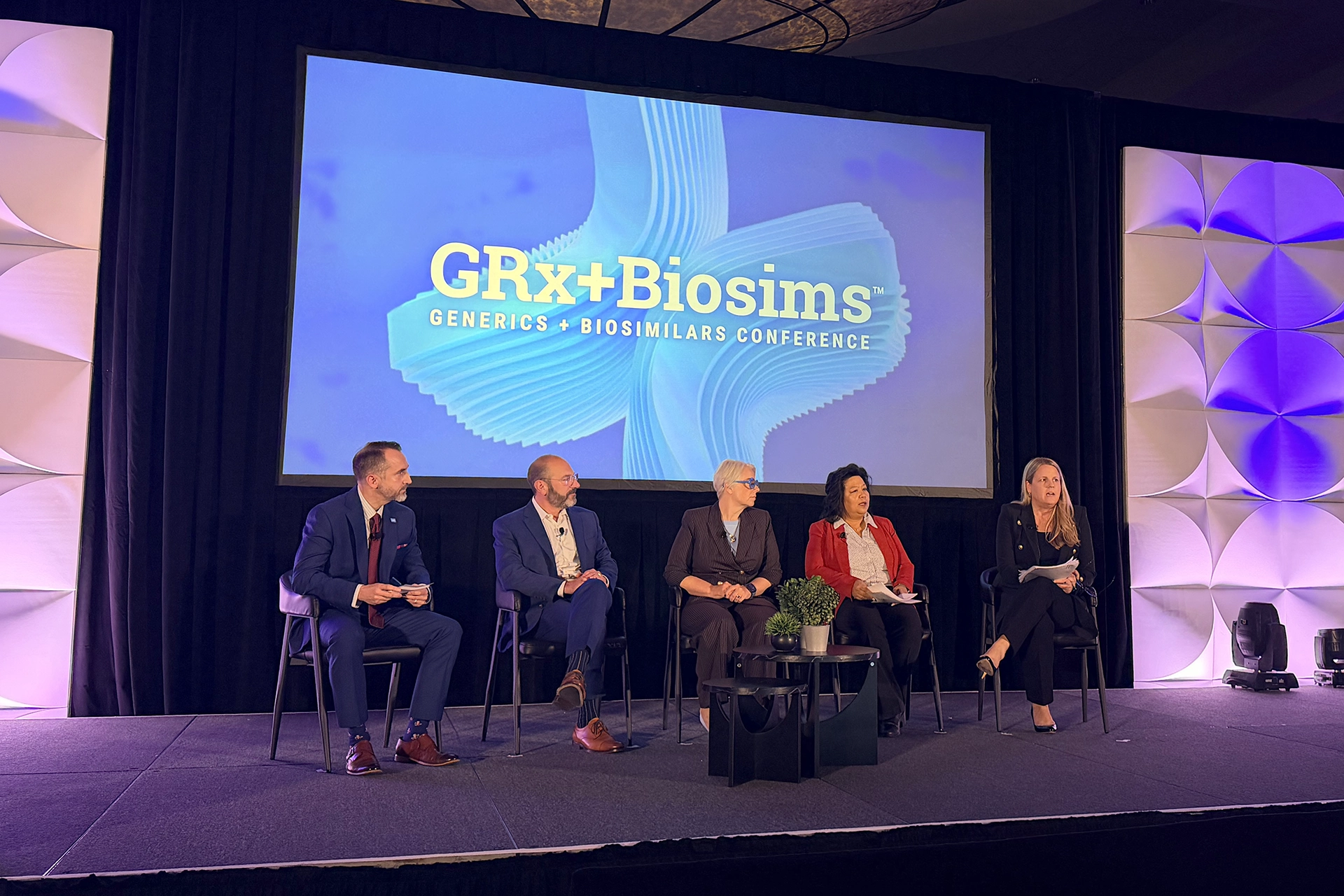
FDA wants a common picture. Brooke Courtney of FDA’s Office of National Health Security said the theme that resonated most with the agency is that supply chain resilience is both a national security and a health security issue. She called for a common operating picture, built from the many data efforts underway inside and outside government, to guide strategic decisions about what to onshore, where to do it, and how to keep those markets sustainable. FDA’s own view is limited: supply chain data is fragmented and proprietary, the agency must protect confidential commercial information and trade secrets, and what it can see differs by product area. Within its current authorities, she said, FDA is engaging manufacturers earlier, modernizing its oversight tools, streamlining regulatory processes, and helping incentivize domestic investment. Internally, FDA leadership has set up a supply chain coordination board in the Office of National Health Security and a cross-agency council spanning human medical products, human food, and animal drugs and feed.
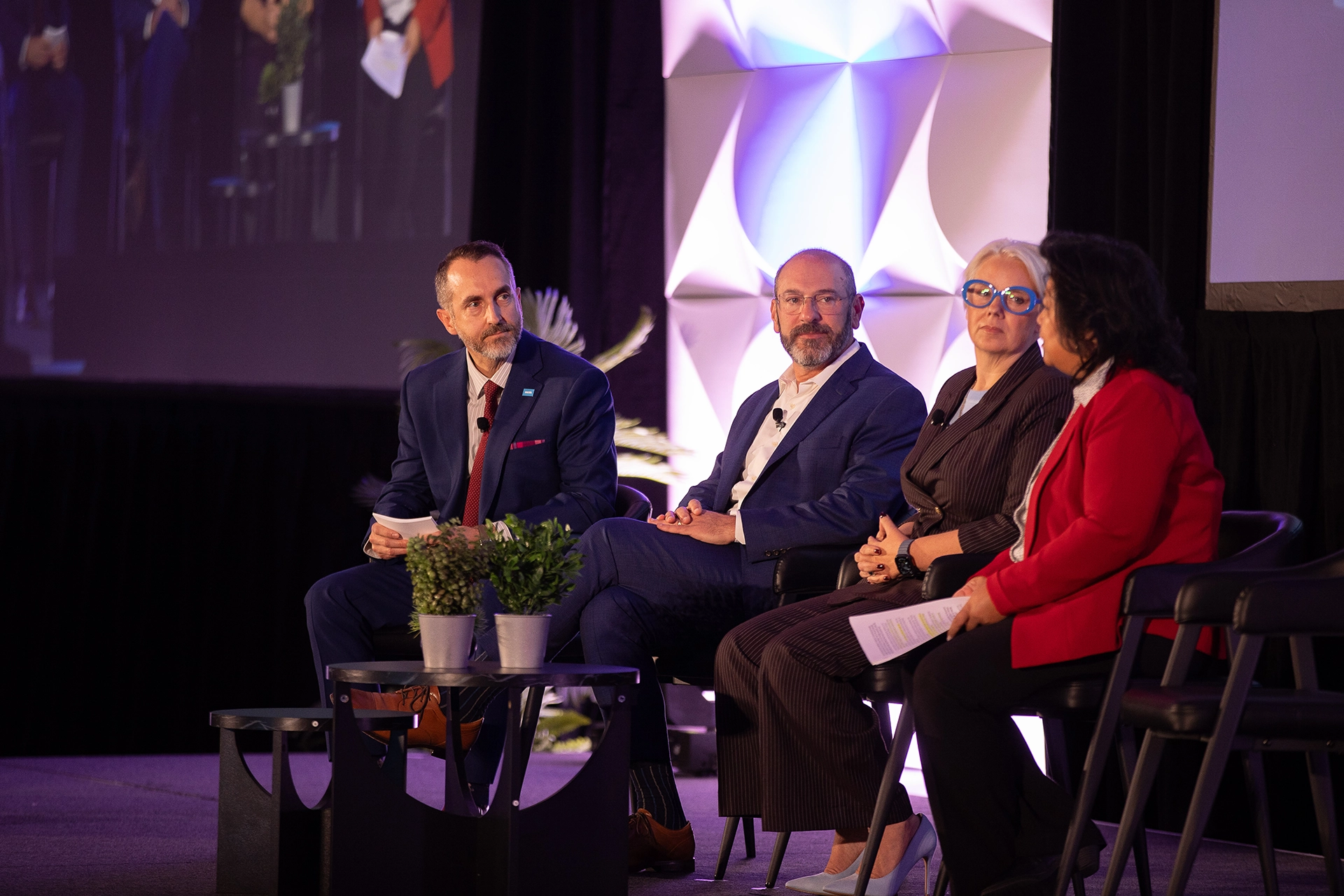
The next five years. Kuzner closed with a lightning round: the single most important step to strengthen supply chain resilience over the next five years. Piervincenzi: build medicine resilience into purchasing contract terms. Baeder: “What I’m hungry for is that we start moving at scale,” using the lists of 80 to 100 critical medicines as a place to begin and learn. Joyner: build enduring, sustainable capabilities, because providing capital and expecting buyers to follow “does not work”; funding has to come with long-term supply agreements or purchasing incentives. Courtney: good, actionable data to identify which products to target. Four vantage points, one shared answer: resilience has to be paid for, and the market has to reward it.
Stay with AAM throughout GRx+Biosims 2026 for more from Rockville, MD; and look for details on GRx+Biosims 2027 soon, at grxbiosims.org.