
PBMs were established to manage the high costs of prescription medicines, but their current opaque practices often serve to increase them – at the pharmacy counter and at the expense of taxpayers and patients.
The evidence of harm is clear: especially in seeing delayed coverage of generic medicines, slower access to lower-cost generics in Medicare, and concentrated market power stemming from only three PBMs controlling 80% of business in America. Reforming PBM practices is a regulatory and ethical imperative—especially for patients and taxpayers to receive the full value of generic and biosimilar medicines.
Formulary reforms can level the playing field by prioritizing biosimilars in coverage decisions and by nudging PBMs towards patient-centric choices.
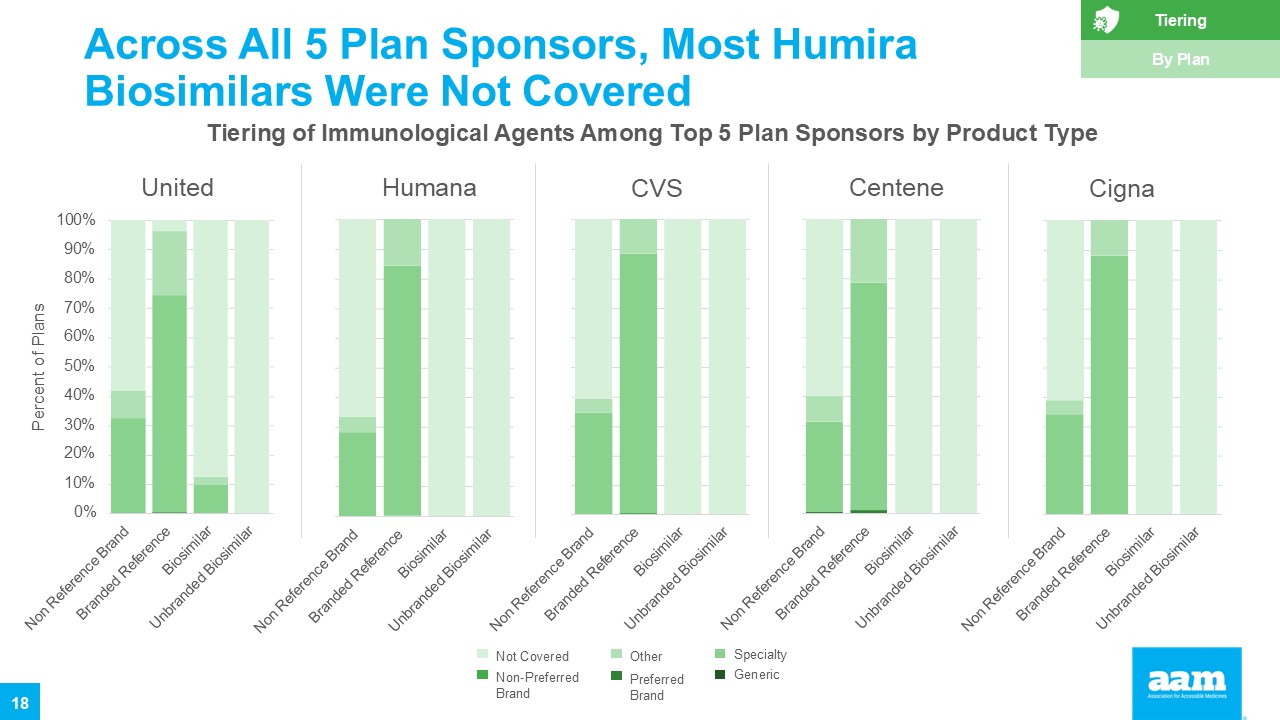
The slow crawl of Humira biosimilar adoption stems from a tangled web of PBM pricing and rebating practices that combine to reward reliance on the brand product. Dislodging these deeply rooted barriers is no small feat. Biosimilars face an uphill battle despite having lower prices and no clinically meaningful differences. Policymakers must champion transparency, clear disclosure of net prices and rebates, and end the use of rebates and fees that are linked to list prices so that patients gain access to lower cost biosimilars.
Prescription medicine pricing and reimbursement processes must be governed by transparency, accountability, and healthy competition. To realize the full savings potential of generic and biosimilar medicines and safeguard health budgets, policymakers should take decisive steps to reform PBM practices:
Comments on Healthcare Provisions in Funding Legislation
Big PBMs Deceive America: Hunterbrook Article Summary
Statement in Response to Federal Trade Commission Request for Information on PBM Business Practices
Humira Biosimilar Landscape: Still Waiting
Humira Biosimilars: Ending a Monopoly, but Savings Will Take Time
PBM Rebate Schemes to Suppress Biosimilar Humira Cost U.S. Patients $6 Billion
PBM Schemes to Control Biosimilar Humira Are Denying Patients Savings
Pharmacy Benefit Managers Are Blocking Patient Access to Biosimilar Insulin
PBMs Continue to Block Patient Access to Lower-Priced Biosimilar Insulin