GRx+Biosims 2026 wrapped up the morning after the midterm elections, and the timing was fitting. Affordability was a central theme on the campaign trail this year, and voters said so: in the NBC News exit poll, 89% said affordability was a crucial or major factor in their vote. Generic and biosimilar medicines already deliver on that demand. They lower costs for patients, and they saved the U.S. health system $496 billion in 2025.
That gives the industry real tailwinds heading into 2027, and a clear opportunity: educating newly elected lawmakers at the federal and state levels about how generics and biosimilars work and the savings they provide. For three days in Rockville, MD, the people who regulate, make, and deliver these medicines worked through the question those new leaders will be asking: how do we get more affordable medicines to more patients, sooner, and keep them coming?
GRx+Biosims 2026 brought FDA leaders from the Office of the Commissioner, the Office of Generic Drugs, the Office of Pharmaceutical Quality, the Office of Compliance, the Office of Therapeutic Biologics and Biosimilars, and the Office of Inspections and Investigations together with manufacturers, policy experts, and supply chain partners.
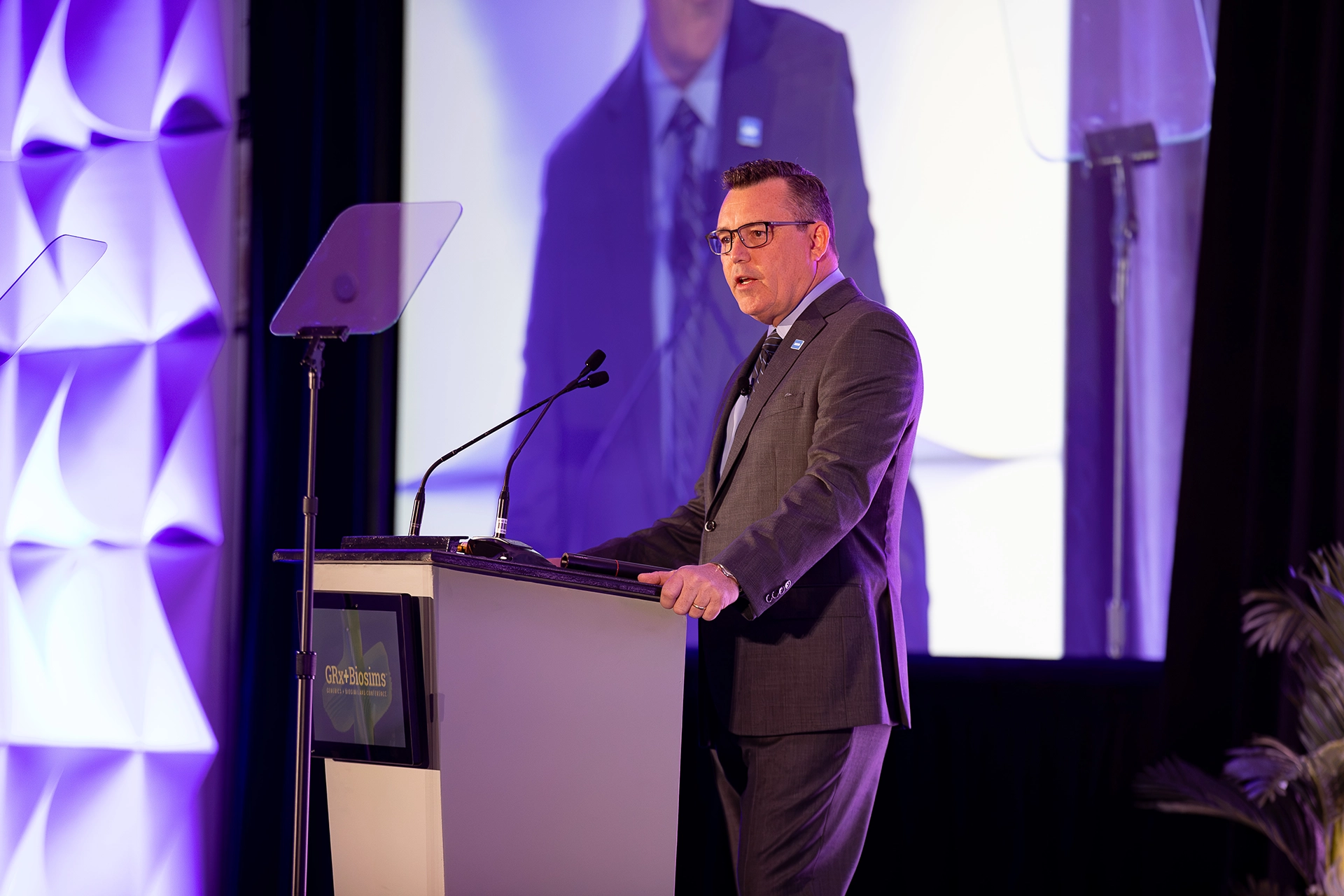
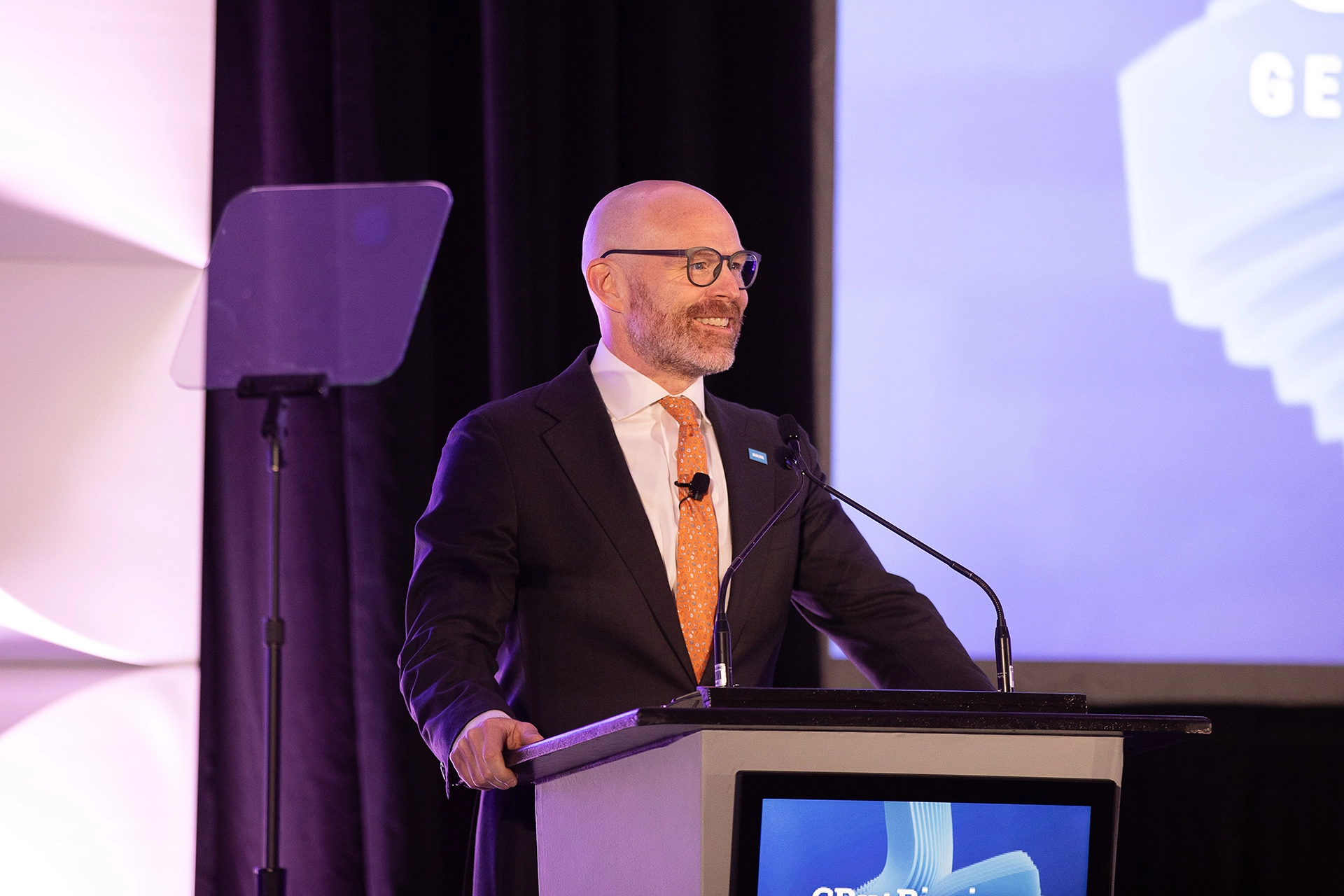
AAM Board Chair Bob Hoffman, Lupin chief commercial officer, U.S. generics, opened the final day with a State of the Industry keynote that praised the sector and issued a warning. “We are the only segment of healthcare that consistently lowers costs for patients,” he said, but persistent price deflation now “threatens the long-term viability of the entire generics market.” His answer: put generics and biosimilars first with prescribers, plans, and formularies, and speak with one voice.
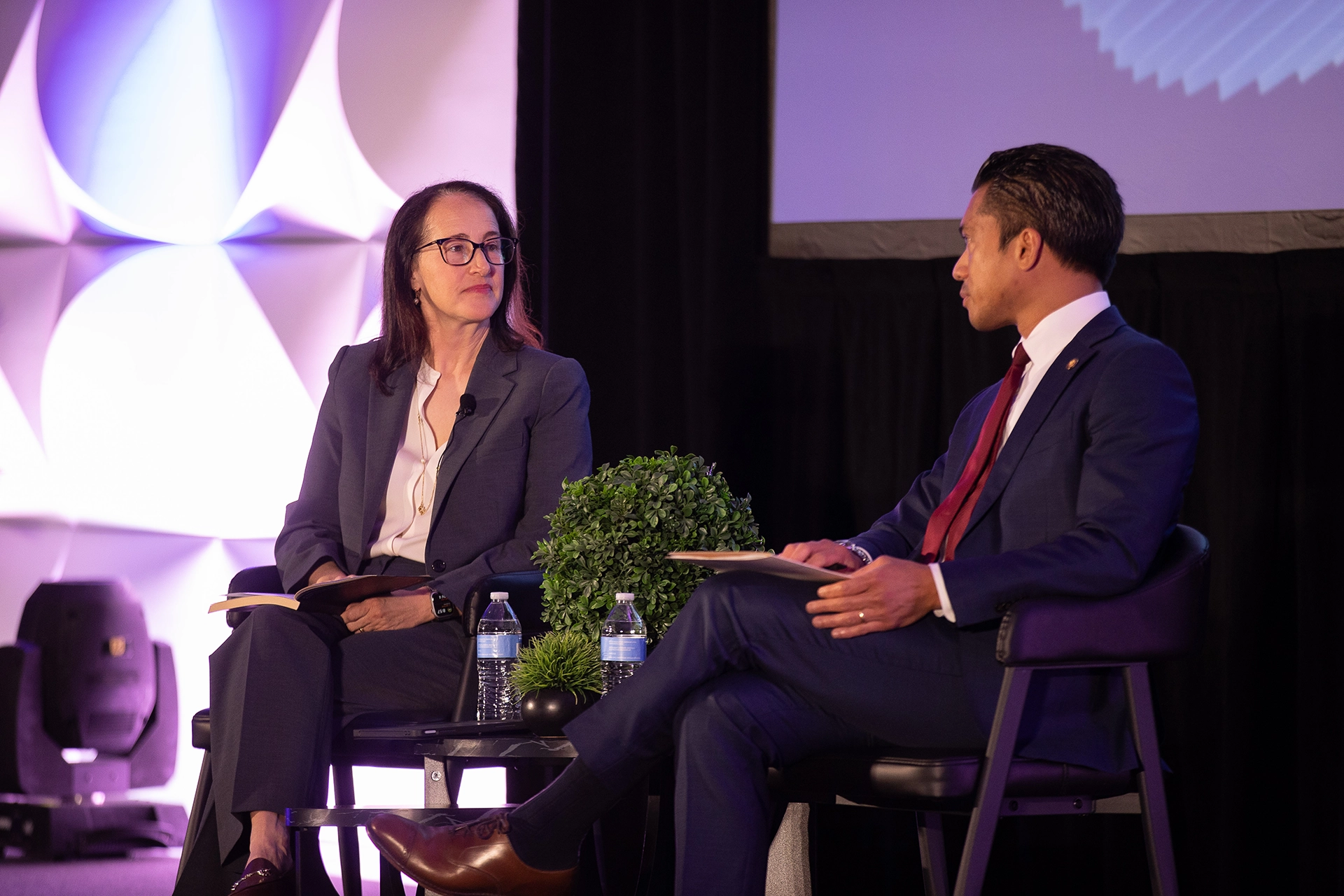
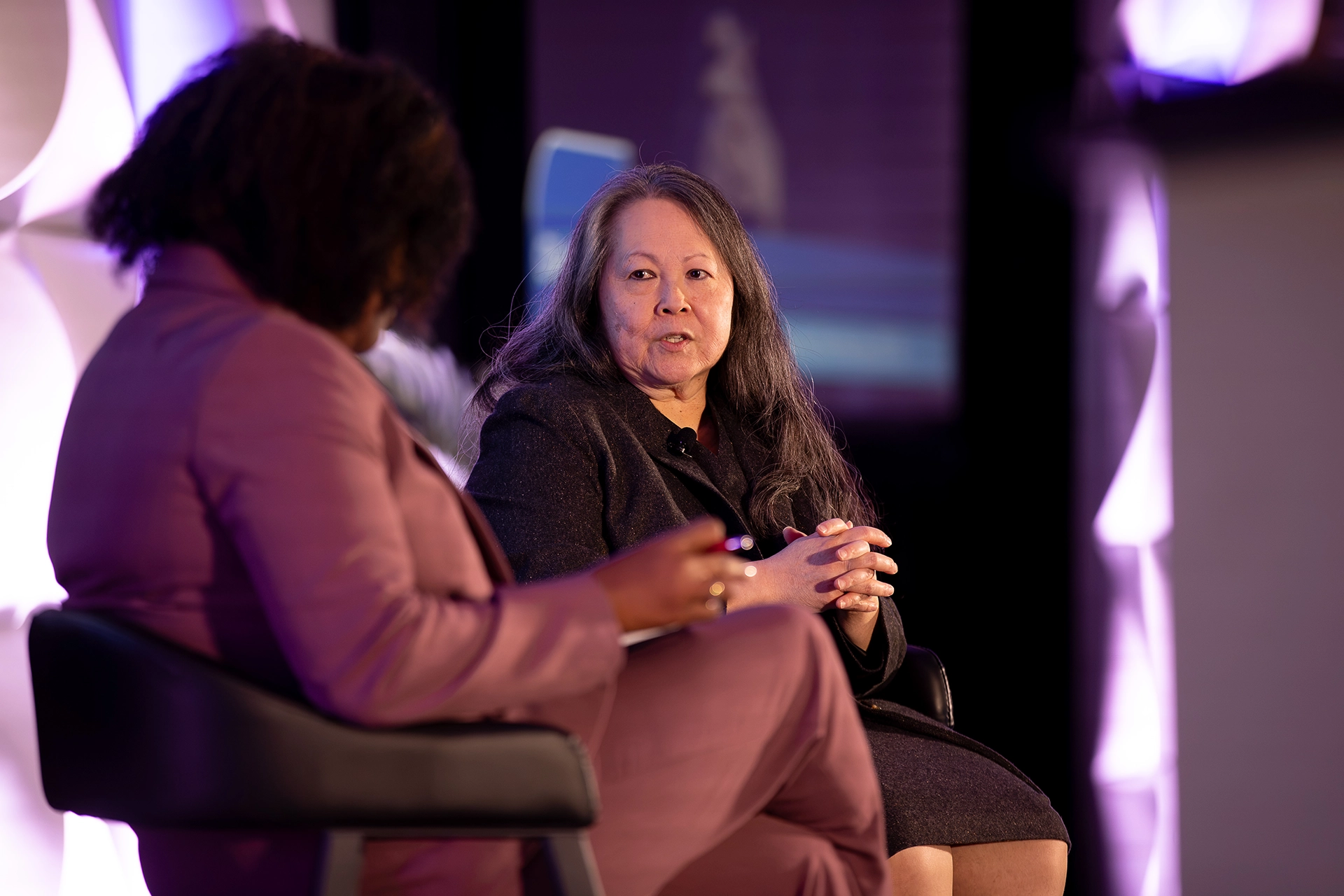
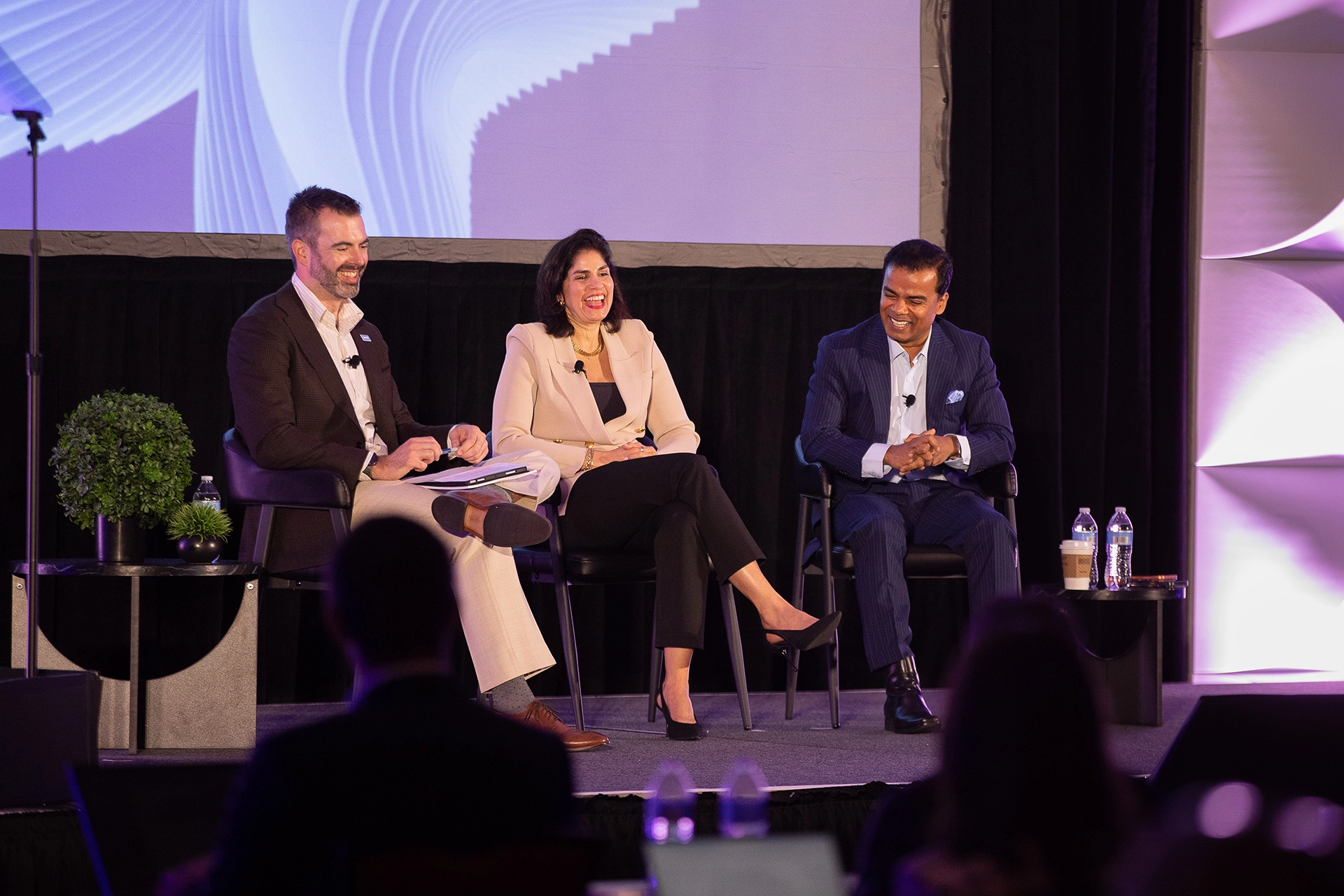
A message from the commissioner’s office. Next came the highlight of the final morning, a fireside chat with Lowell Zeta, Acting Chief of Staff and Deputy Commissioner for Strategic Initiatives in FDA’s Office of the Commissioner, moderated by Maryll Toufanian, Senior Vice President, Regulatory Strategy and Government Affairs at Amneal Pharmaceuticals. Zeta said FDA has spent several years working to make the path to market more predictable for generic and biosimilar developers, and that this year’s policy changes are structural.
On the topic of domestic manufacturing, Zeta pointed to FDA’s PreCheck program and its Pre-Operational Review Program, which help de-risk new U.S. facilities, while acknowledging that building in the U.S. is “ultimately the sponsor’s decision and it is not an easy one.” FDA’s aim, Zeta said, is a structural environment that gives manufacturers incentives to come and to stay. Asked what advice to offer an incoming commissioner, Zeta urged the agency to keep hearing from industry about practical challenges, including through formal requests for information.
Recapping Three Days in Rockville
Day one: the review pipeline. AAM President and CEO John Murphy III opened the conference Monday morning. He pointed to a year of results, including GDUFA IV and BsUFA IV agreements, Q1/Q2 reform, and unanimous committee votes on two biosimilar bills, and then to the work ahead: with a new Congress that could bring more than 100 new members and both user fee programs expiring Sept 30, 2027, he said he wants AAM to “blanket Capitol Hill.” A CMS fireside chat with CMS Deputy Administrator John Brooks, moderated by Meitheal’s Victoria Wohlfeil Cherry, was followed by back-to-back keynotes from FDA’s Darby Kozak, PhD, Acting Director of the Office of Generic Drugs; Michael Kopcha, PhD, RPh, Director of the Office of Pharmaceutical Quality; and Jill Furman, JD, Director of the Office of Compliance. Kozak reported that OGD approved or tentatively approved 952 ANDAs in FY2026, including 107 first generics, and cut its backlog of applications more than 60 days past goal from 69 to 2. AAM’s Giuseppe Randazzo then recognized the experts who have spent months on the GDUFA IV and BsUFA IV negotiations that will shape FDA review for years to come.
Sixteen learning track sessions across the day covered AI and automation in regulatory work, global convergence on streamlined biosimilar development, post-approval changes, bioequivalence for complex generics, and scaling U.S.-based generic manufacturing.
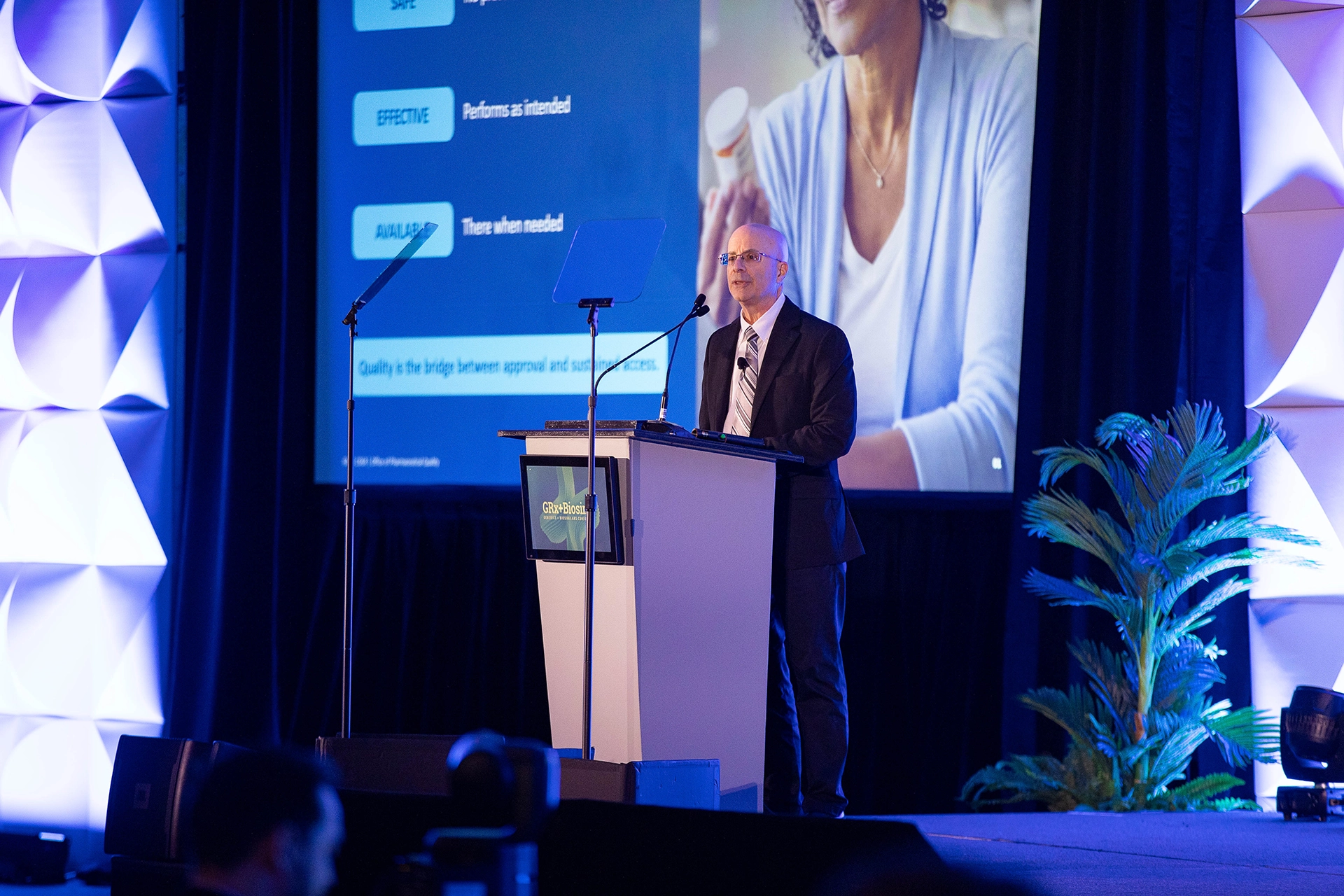
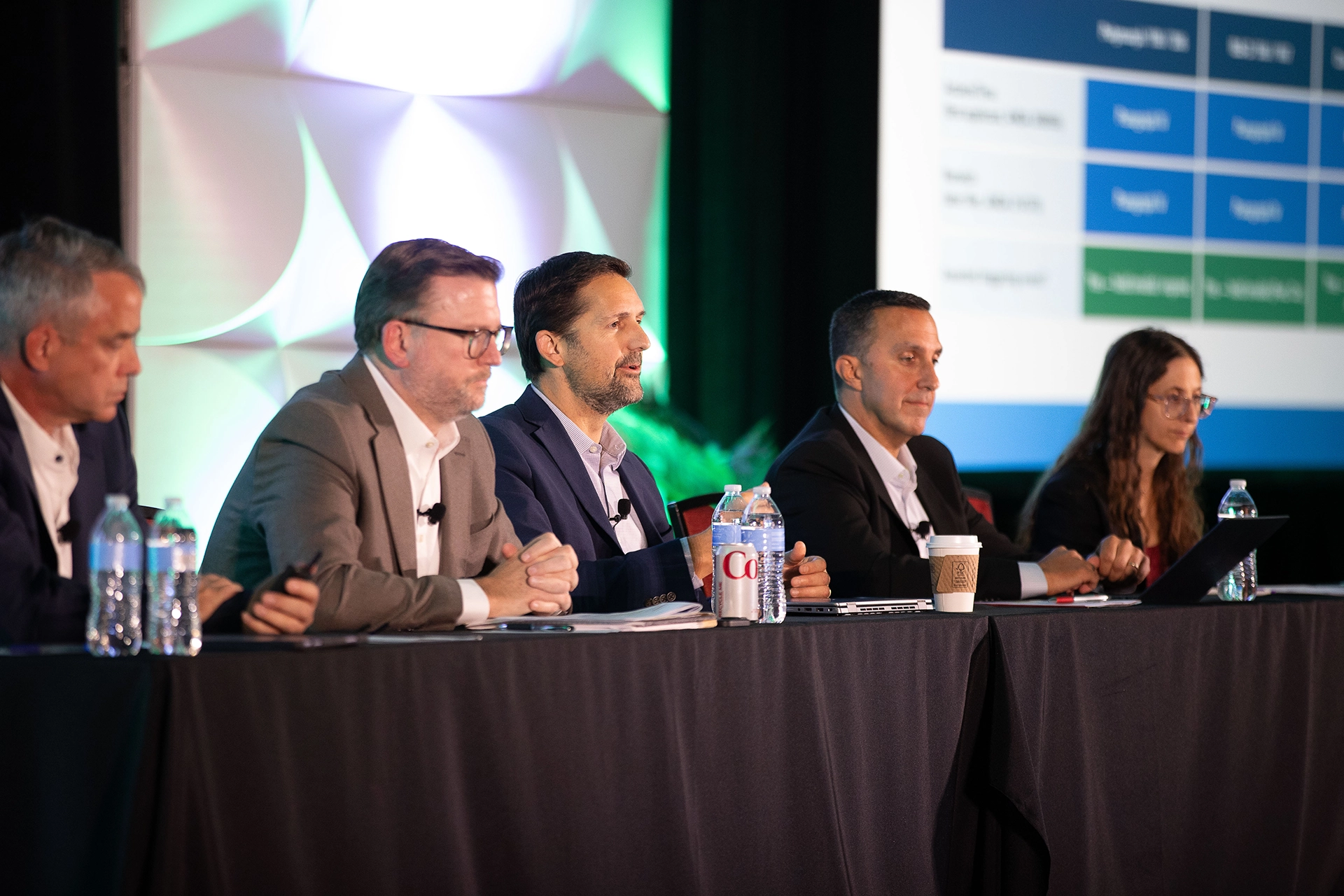
Day two: building a resilient supply chain. Tuesday opened with a biosimilars fireside chat featuring Sarah Yim, M.D., Director of FDA’s Office of Therapeutic Biologics and Biosimilars, interviewed by Claire D’Abreu-Hayling of Sandoz. AAM’s Giuseppe Randazzo set it up with the numbers: biosimilars have saved more than $80 billion since 2016 and supported 3.8 billion days of patient therapy. Next came a keynote from Elizabeth Miller, PharmD, FDA’s Associate Commissioner for Inspections and Investigations. The main stage panel on supply chain resilience and domestic manufacturing brought together Apotex, FDA, ASPR, and U.S. Pharmacopeia to examine what it will take to strengthen every link from starting material to finished medicine.
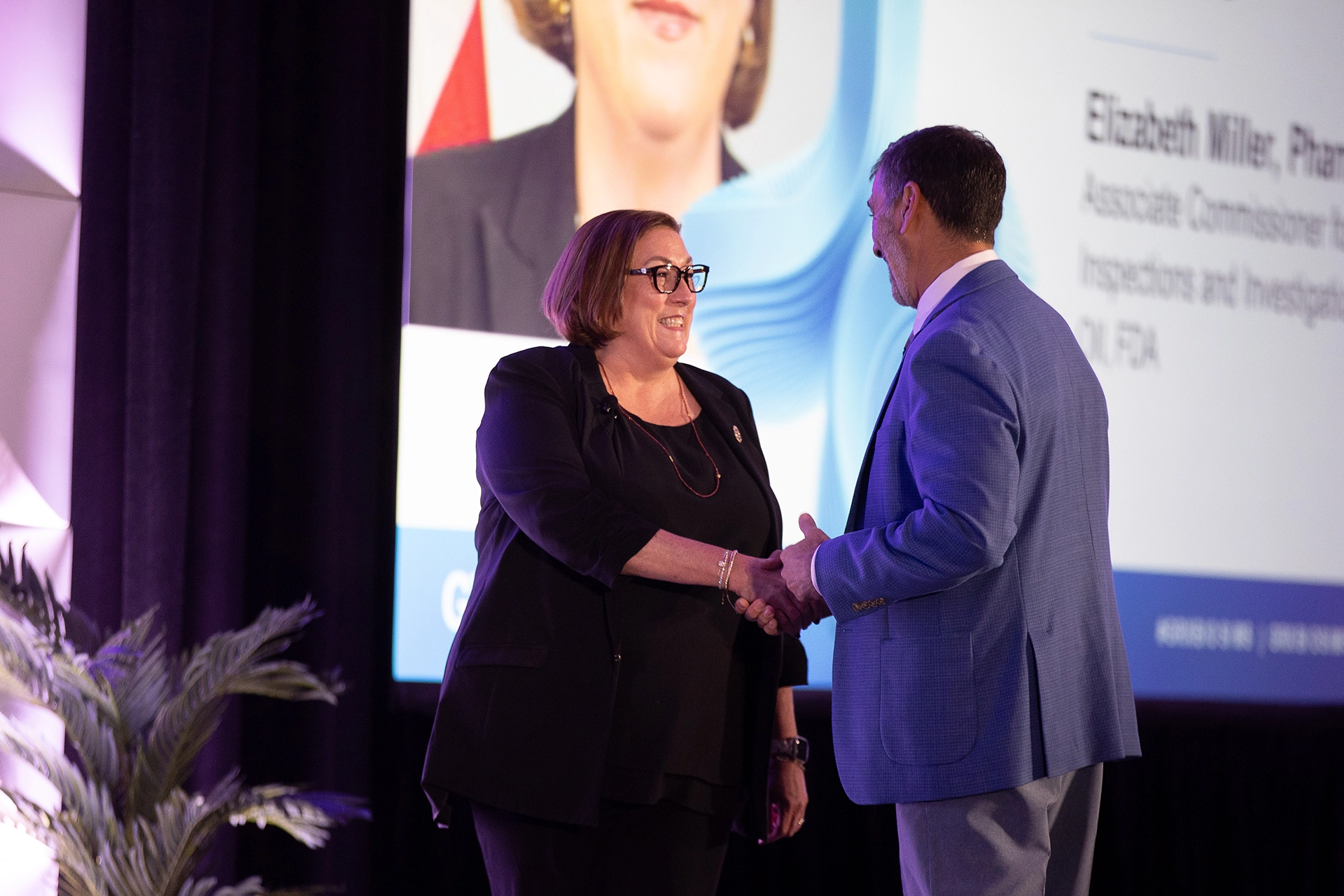
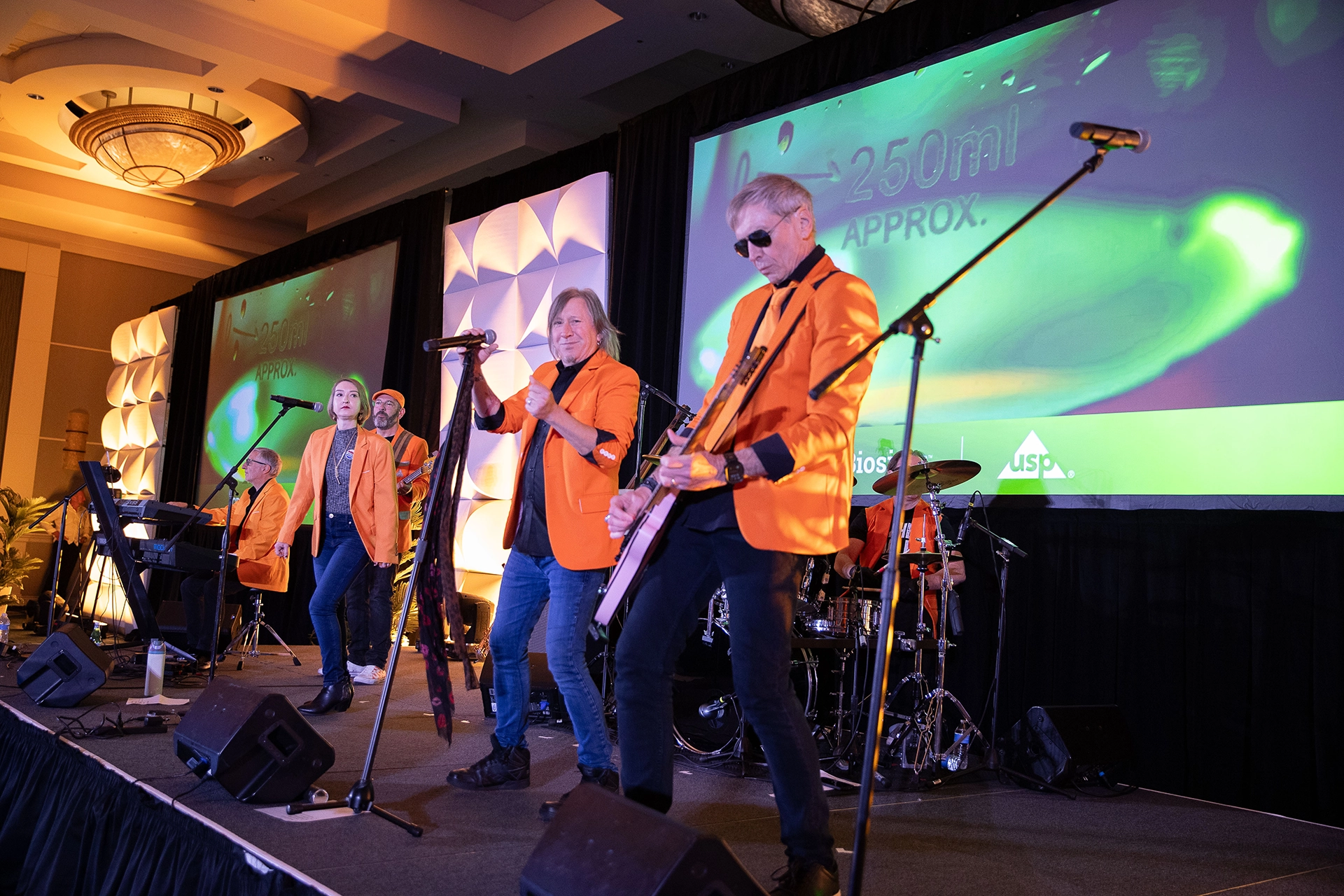
FDA scientists and industry experts held a workshop on the GDUFA Science and Research Initiative, and the afternoon’s GRx+Biosims Exposition gave attendees opportunities to learn from organizations and vendors filling more than 20 booths. The evening closed with dinner, a thrilling trivia contest, and a raucous rock ‘n’ roll performance by USP’s house band, The Impurities.
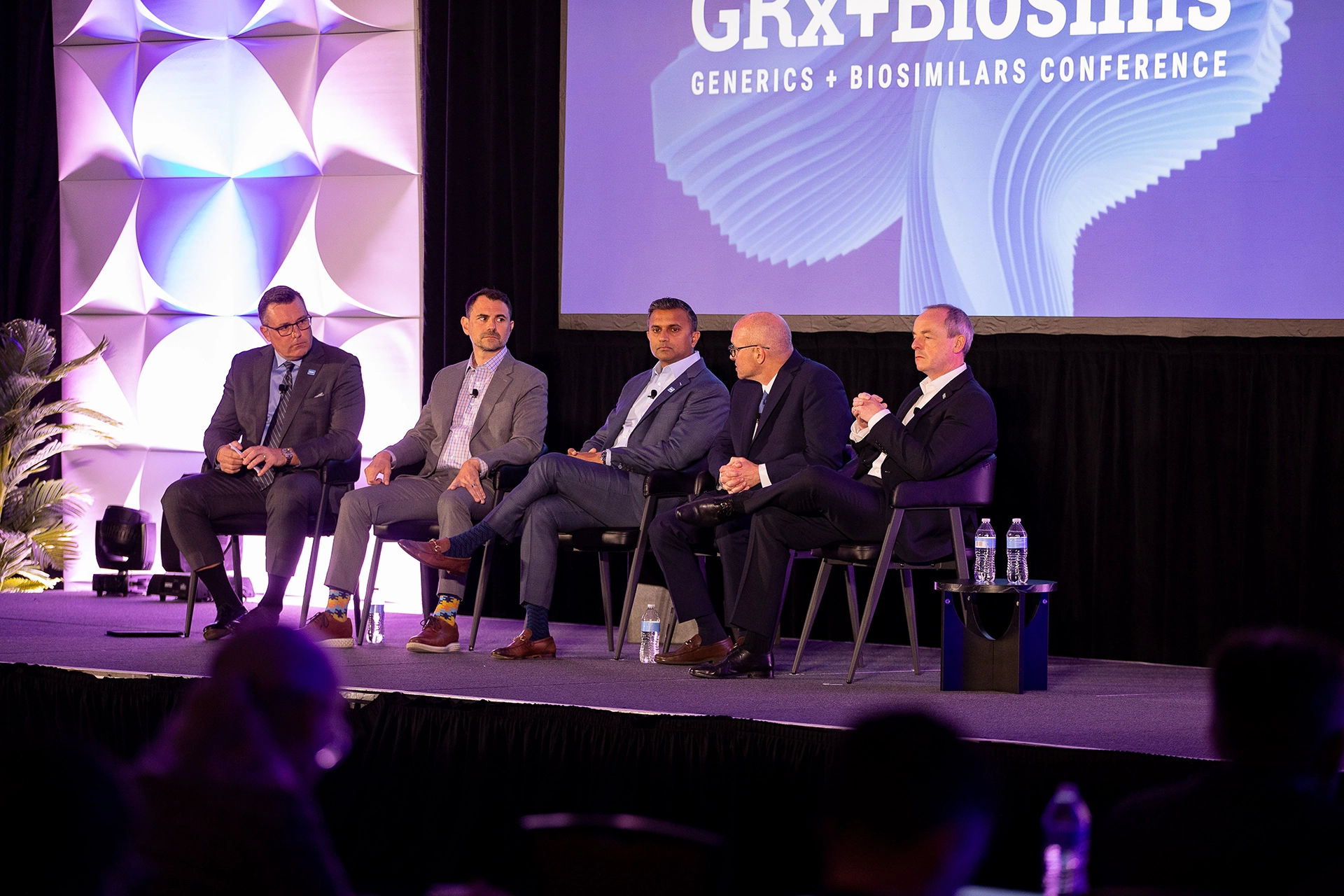
Day three: the market and its leaders. In the Biosimilars Market Leaders Discussion, moderated by Biosimilars Council Executive Director Alex Keeton, Keren Haruvi of Sandoz and Balaji Prasad, M.D., of Alvotech discussed building on the progress made during the past year, and the yet untapped potential of biosimilars to deliver for America’s patients. Hoffman then moderated CEOs Unplugged with Punit Patel of Zydus, Michael Parden of B. Braun, Brandon Rockwell of PAI Pharma, and Joel Rosenstack of Fresenius Kabi. The industry leaders discussed priorities and opportunities in the changing policy landscape.
Murphy closed the conference by thanking the FDA leaders who took part, saying their presence showed the importance of the work being done to bring affordable, effective, and safe generics and biosimilars to patients, and invited attendees to AAM’s Access! 2027 annual meeting in Florida. The common thread across three days was clear: generic and biosimilar medicines saved the U.S. health system $496 billion in 2025, and keeping that value flowing depends on a faster, more predictable path to market and a supply chain built to last.
Save the date for Access! 2027. Action. Ideas. Progress. Get ready for AAM’s annual meeting March 1–3 in Orlando. Learn more and register at access.accessiblemeds.org
Thank you to every speaker, panelist, sponsor, and attendee, to our partners at FDA, and to the AAM events team who made this year possible. We’ll see you next year. grxbiosims.org