
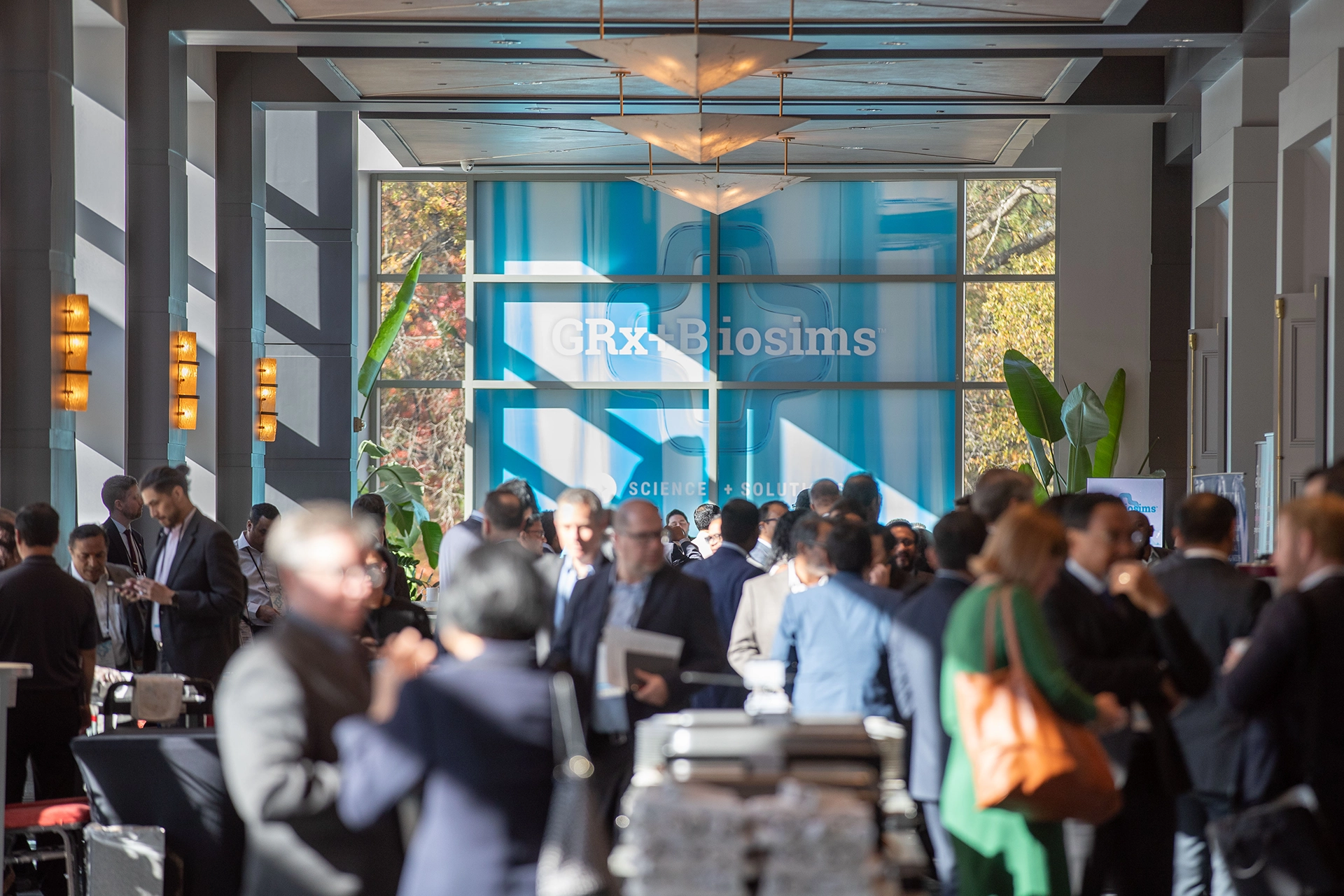
The first day of the 2025 GRx+Biosims Conference set an energetic tone for the days ahead full of optimism, urgency, and shared purpose. With a patient-centric message that echoed a recurring theme of “bringing passion to purpose,” speakers reminded attendees that behind every regulation, every manufacturing milestone, and every patent debate is the same mission: bringing more medicine to more people.
Opening Plenary: Leadership with Heart
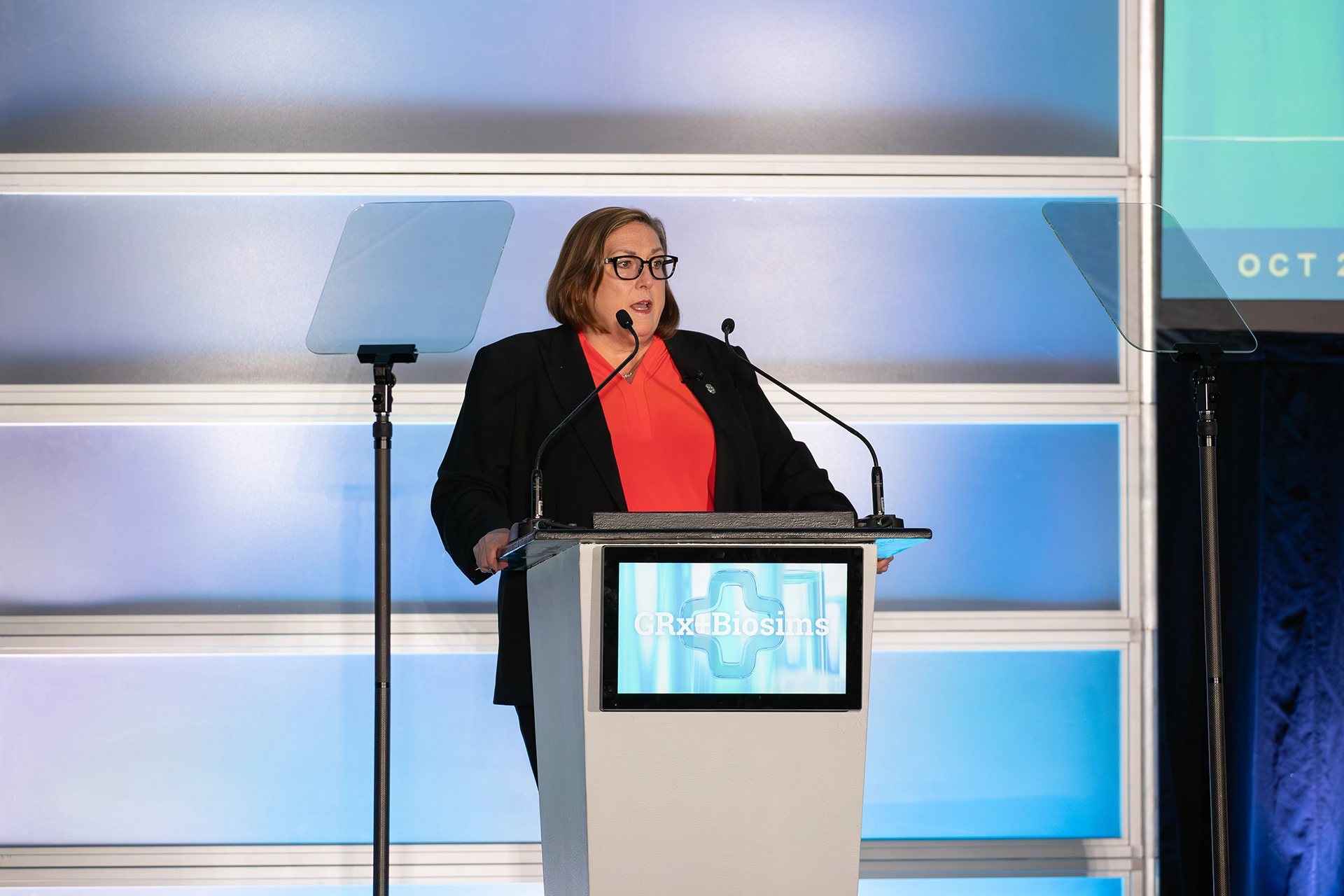
Association for Accessible Medicines (AAM) President and CEO John Murphy III opened the conference with gratitude and conviction. Reflecting on his first year leading AAM, Murphy described an industry that has “not only weathered disruption, but led with purpose.” From tariff battles and trade negotiations to record-breaking savings for patients, he said, generics and biosimilars have proven their essential role in public health.
Murphy celebrated the nearly $467 billion in savings delivered to the U.S. health care system in 2024 alone and more than $3.4 trillion over the past decade. He reminded the audience that ninety percent of all prescriptions filled in America are generics, and that AAM’s work “has become the lifeblood of the generic and biosimilar medicines industry.”
He urged attendees to pair conviction with compassion: to keep fighting for a level playing field, for fair trade policy, and for a stronger manufacturing base. “Your engagement, insight, and belief bring unmatched passion to our purpose,” Murphy said. “Together, we’ll keep proving that a strong, sustainable, and innovative generics and biosimilars industry isn’t just good policy, it’s essential for the health and resilience of America, itself.”

FDA Plenary: Progress and Partnership
FDA’s Dr. lilun Murphy, Director of the Office of Generic Drugs, built on that momentum with a data-rich update on the state of generics. In fiscal 2025, the agency approved or tentatively approved 939 ANDAs, including 92 first generics, 107 Competitive Generic Therapy designations, and 125 complex generics products that expand treatment options for patients with chronic conditions from diabetes to multiple sclerosis.
She highlighted several approvals – including generic Victoza and Saxenda for weight management, Venofer for iron-deficiency anemia, and Xarelto, the first generic for one of the nation’s costliest drugs – as milestones of both innovation and access. Beyond approvals, FDA’s GDUFA III commitments are driving earlier engagement with applicants, stronger data integrity standards, and new harmonized guidances like M13B, which reduces redundant in vivo bioequivalence studies.
Her message was clear: the agency’s science-based, patient-focused approach is making generic development more predictable and efficient. “By expanding generic access across all product types,” she said, “we enhance patient access to essential medications—progress exemplified by FDA’s adaptive generic drug program and its role in protecting public health.”
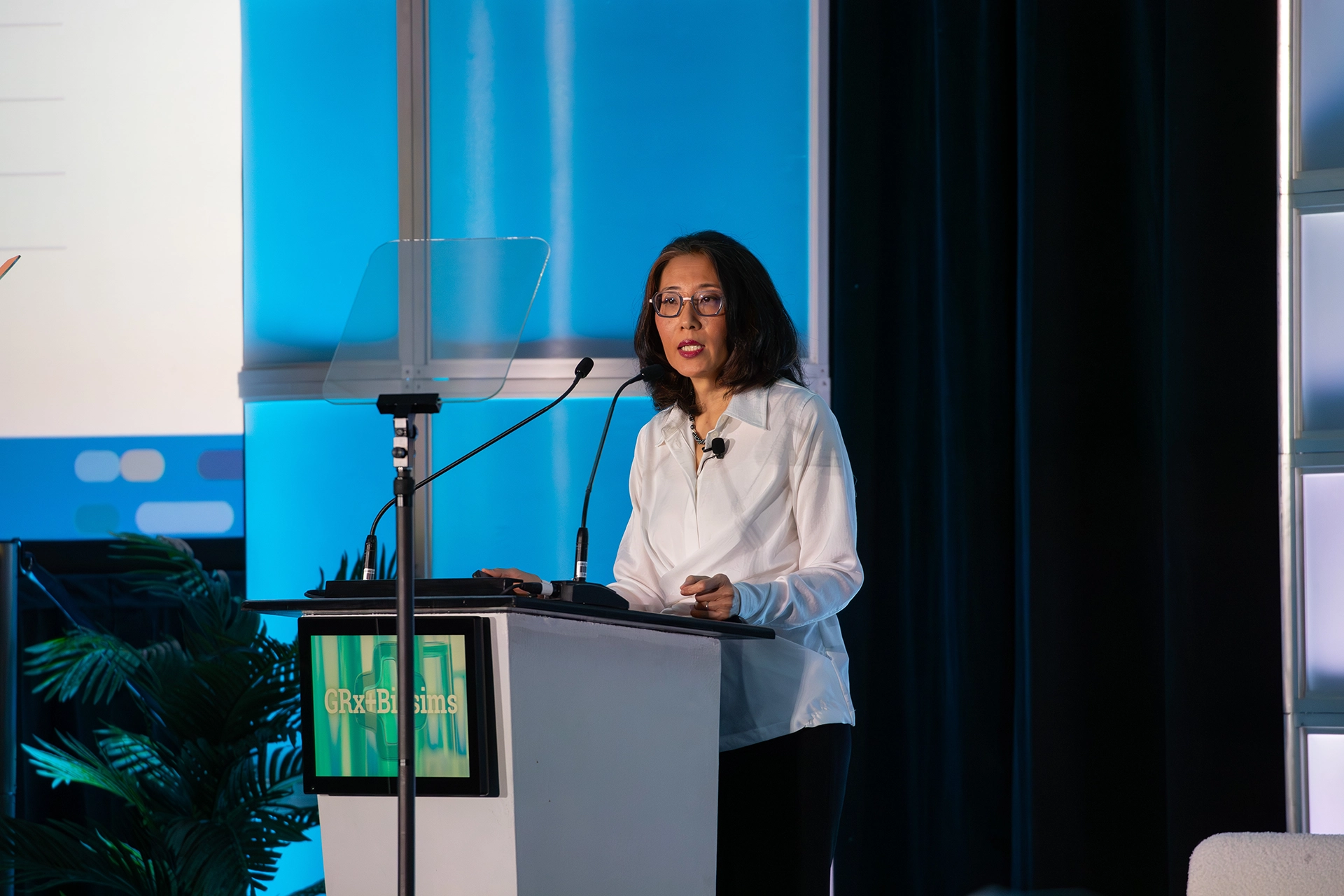
Next, Dr. Elizabeth Miller, Associate Commissioner for Inspections and Investigations, outlined how FDA is modernizing its global inspection enterprise. Her team’s refreshed mission “rigorous, transparent, and science-based inspections that empower fact-based regulatory decisions” is being advanced through risk-based planning, technology-enabled oversight, and collaboration with state and international partners. From flexible workforce deployment to modernized investigator training, Miller emphasized that OII’s focus is both accountability and culture: ensuring that every inspection anywhere in the world strengthens patient trust at home.
Together, the plenary speakers underscored how industry and FDA are moving in concert emphasizing purpose and precision, both united by public health and a commitment to the patient.
Breakout Sessions: Of Patients and Patents
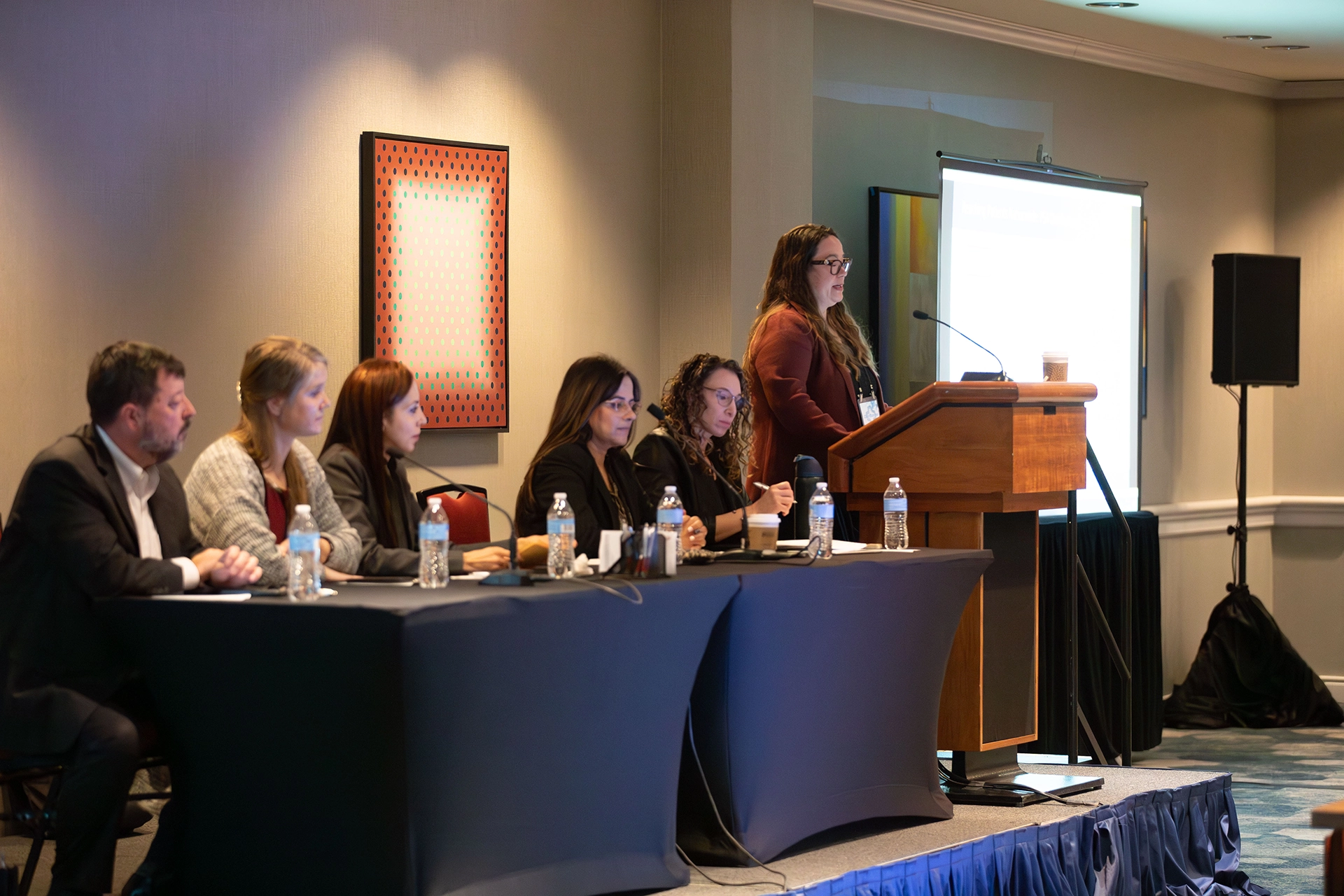
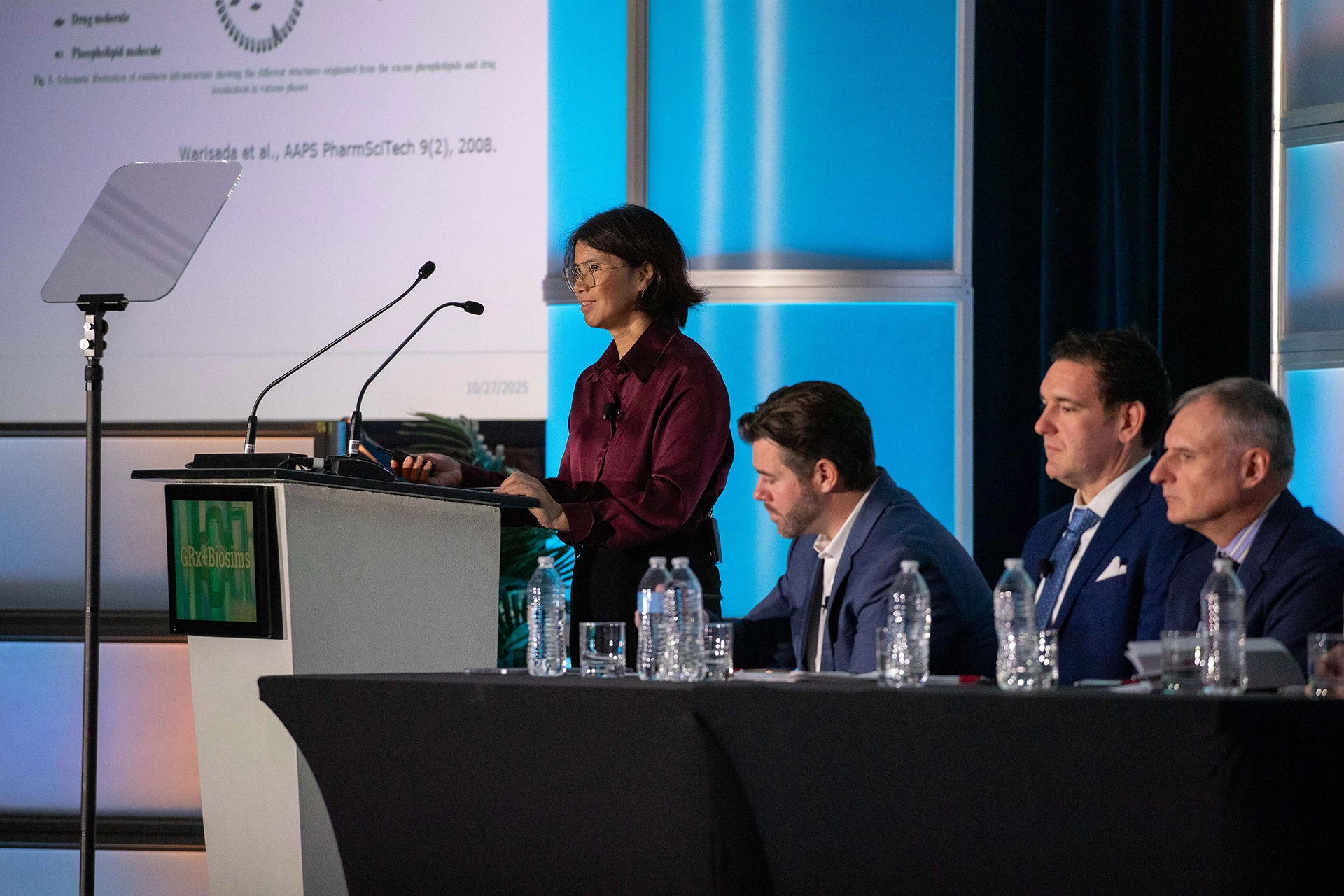
Mid-morning, the conversation turned from policy to people. In the breakout session “Elevating the Patient Voice in Generic and Biosimilars Development,” experts including Dr. Sarah Ibrahim (FDA CDER), Dr. Nimi Chhina (Teva Pharmaceuticals), Dr. Sarah Ikenberry (FDA OTBB), and Dr. Kimberly Maxfield (Biocon Biologics) explored how integrating patient perspectives can improve adherence, design, and real-world outcomes.
Dr. Ibrahim described FDA’s Patient Listening Sessions and outreach through the Office of Generic Drugs, which gather lived experiences to inform usability and communication around generics. Patients are the ultimate end users and trust is earned through clarity about formulation differences and device design.
Dr. Chhina noted that patients often raise practical concerns about flavors, colors, or tablet size – details that influence whether they actually take their medicines. Incorporating those insights early can prevent discontinuation and improve compliance.
Dr. Ikenberry shared FDA research showing that both providers and patients want clear, accessible explanations of biosimilars. Her team’s nationwide communications campaign – spanning Medscape courses, YouTube videos, and multilingual PSAs – has reached tens of millions nationwide, helping demystify biosimilars and strengthen confidence in their safety and efficacy.
Finally, Dr. Maxfield offered the developer’s perspective, emphasizing that the ultimate goal of biosimilar pathways is patient access. She emphasized that education, device design, and sustainability all start with listening to patients.
The session’s takeaway was unanimous: meaningful engagement with patient voices isn’t a regulatory box to check, it’s the foundation for trust, adherence, and equity.
Afternoon Deep Dive: Patents and Progress
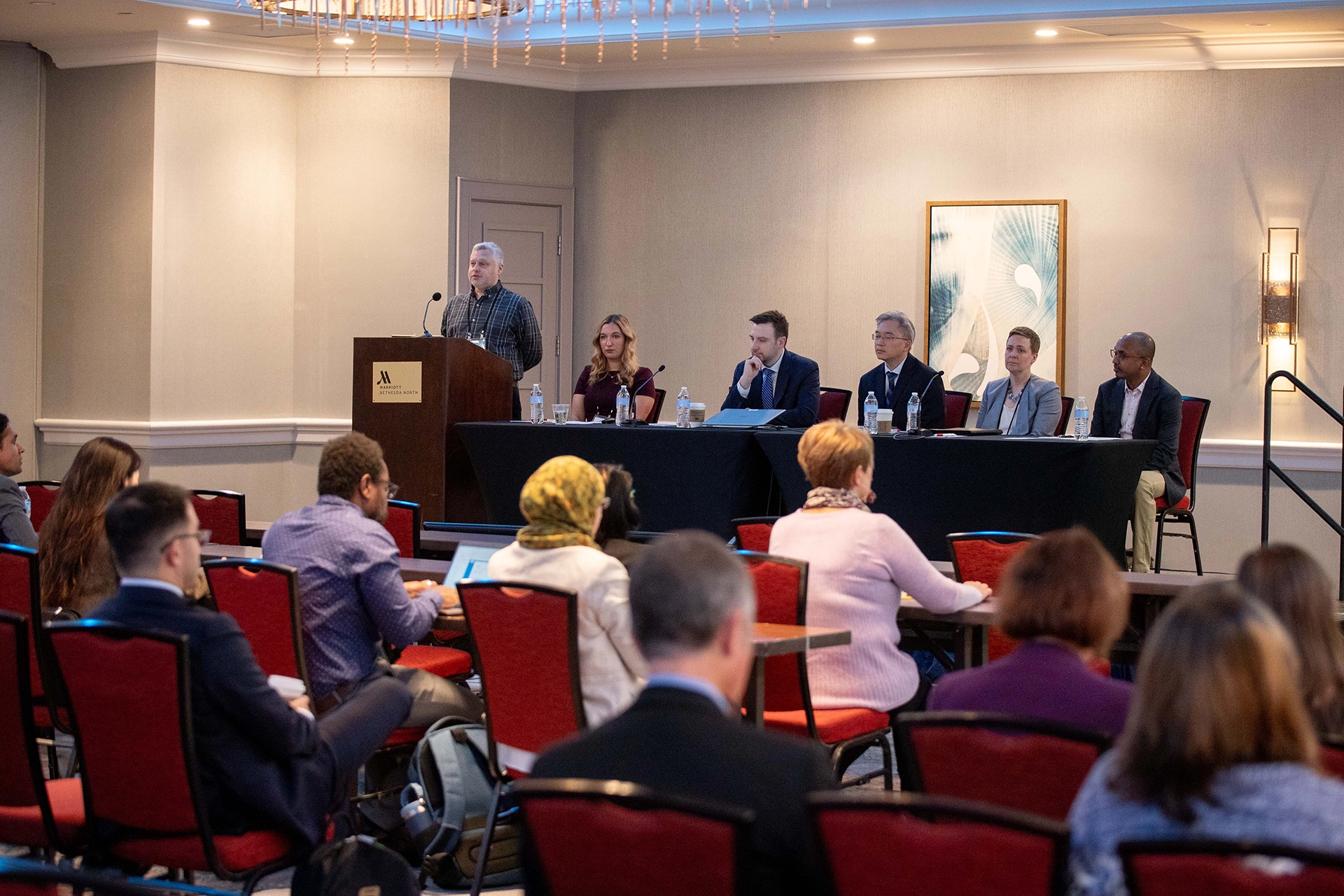
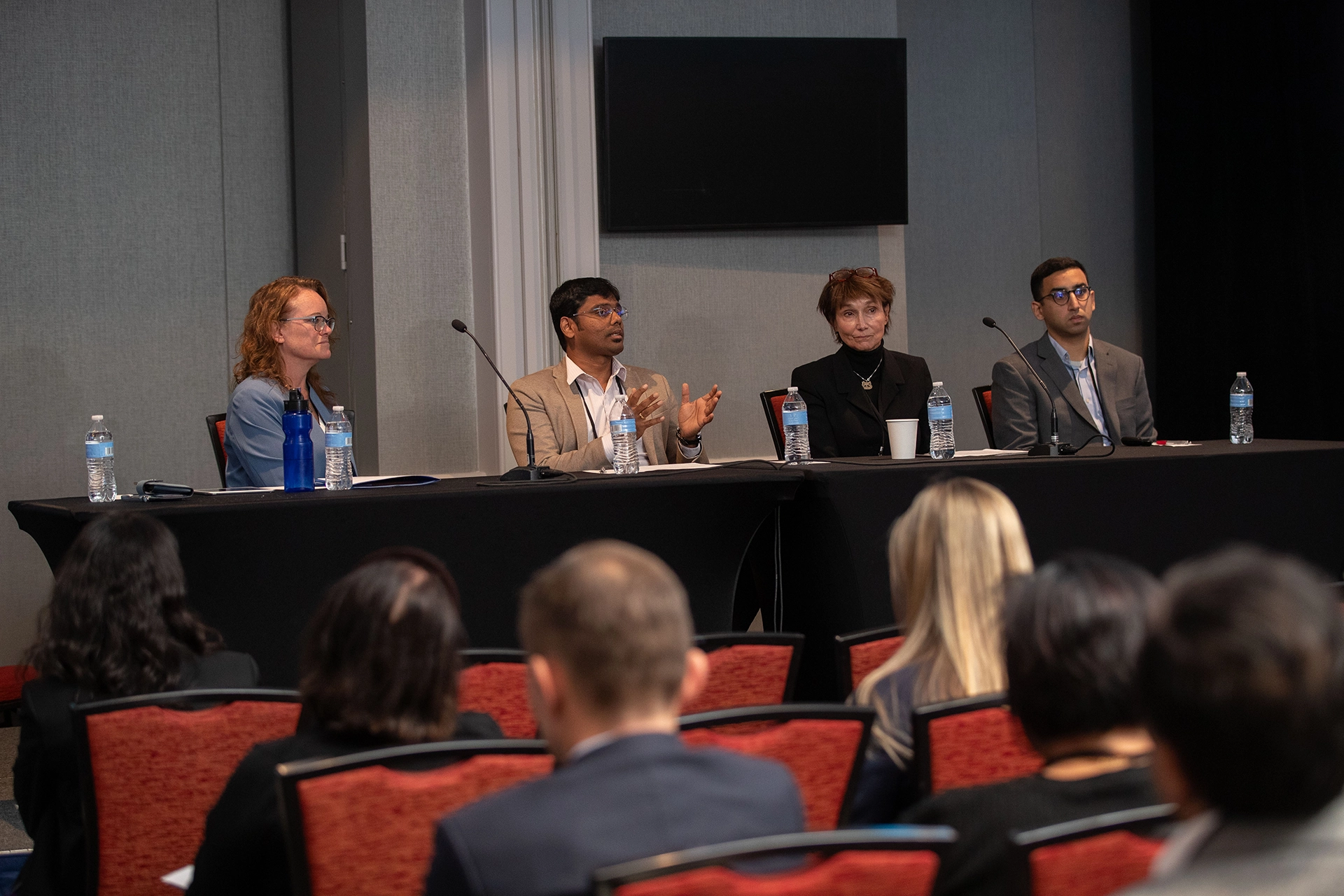
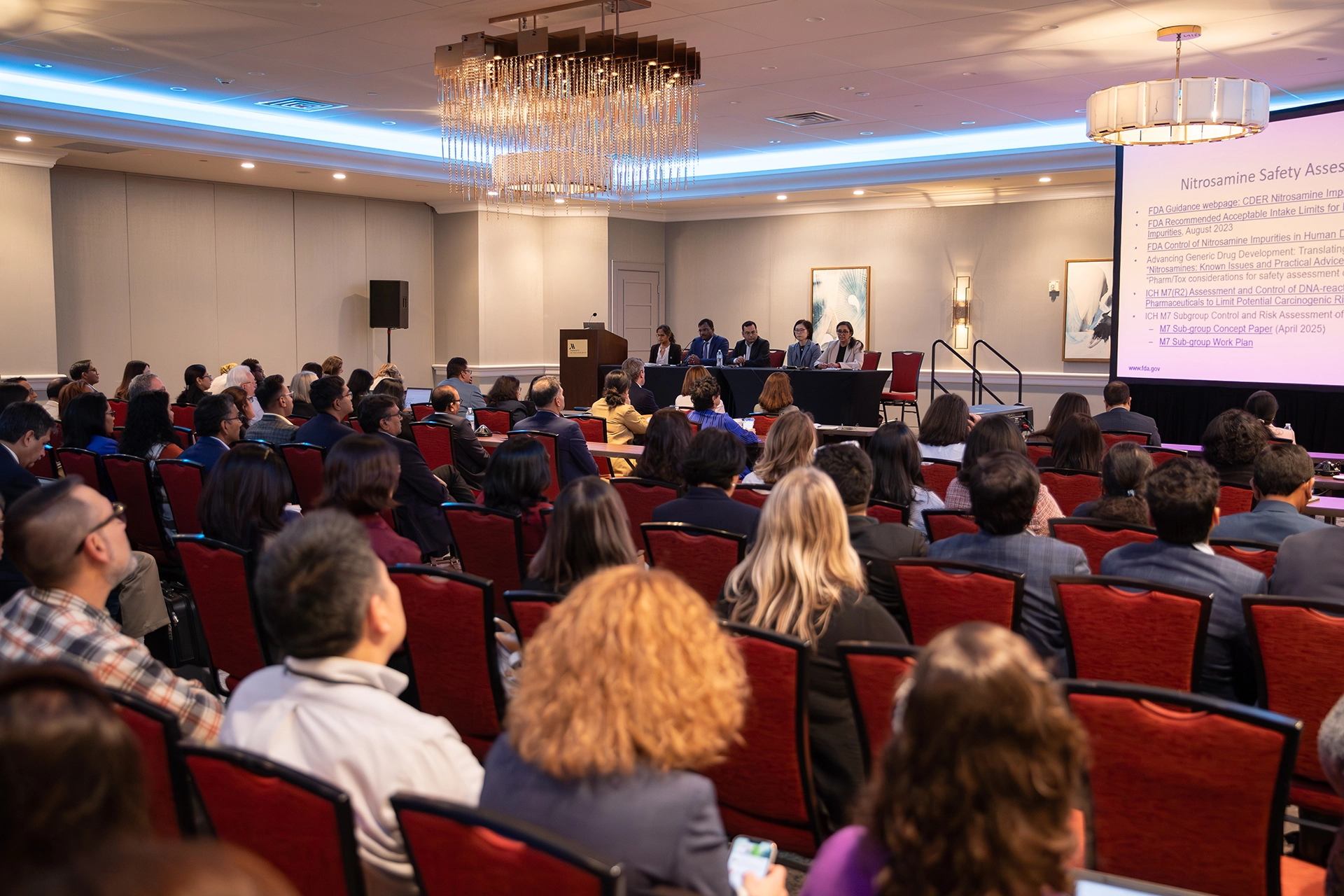
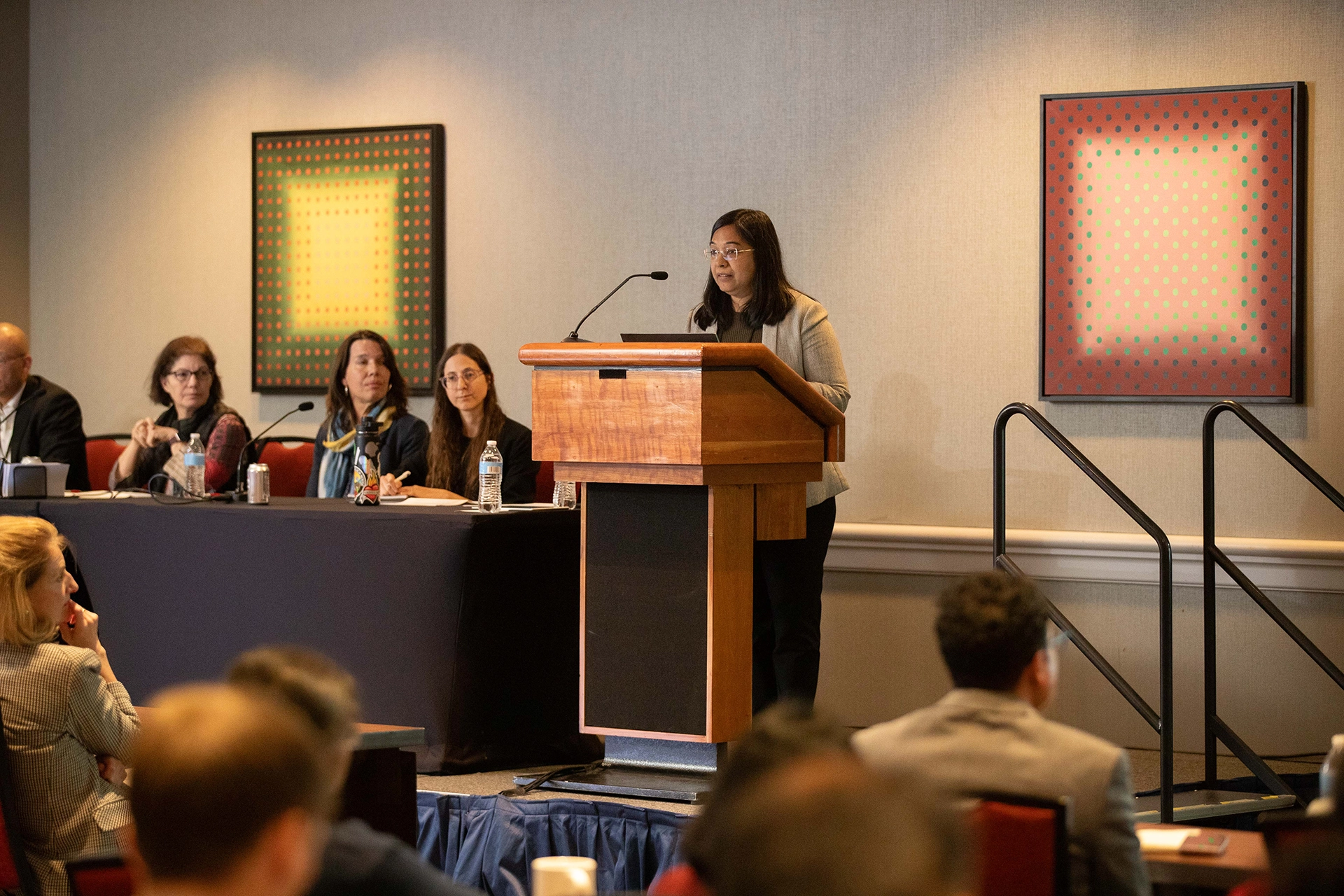
One of the day’s most anticipated, and spirited, discussions came in the afternoon breakout “Patents in the 119th Congress: The Latest on Patent Settlements, Skinny Labeling, and Patent Thickets.” Moderated by leading patent attorneys and industry counsel, the session tackled the complex intersection of intellectual property, competition, and access.
Panelists dissected new USPTO proposed rules that could restrict inter partes review options for generics and biosimilars, warning that limiting IPR petitions could tilt the balance back toward monopoly protection.
The discussion then turned to patent thickets – dense clusters of overlapping patents that delay biosimilar entry. A global study presented at the session showed that the United States is an outlier: on average, nine times more patents are asserted against first-launched biosimilars here than in Canada, and twelve times more than in the U.K. The data linked these “clusters of non-patentably distinct inventions” to multi-year launch delays and higher prices.
Panelists highlighted legislative fixes gaining traction in Congress, such as the Eliminating Thickets to Increase Competition (ETHIC) Act, which would limit brand owners to one enforceable patent per true invention. Another bright spot was bipartisan progress on the Preserving Access to Affordable Generics and Biosimilars Act, aimed at curbing “pay-for-delay” deals that postpone generic launches.
Finally, the group explored the evolving doctrine of skinny labeling – the practice of “carving out” patented method of use from product labels to avoid infringement. Cases like GSK v. Teva and Amarin v. Hikma have blurred the lines, but pending legislation, the Skinny Label Big Savings Act, would restore clarity by shielding properly carved-out labels from induced-infringement claims.
Despite the legal complexity, the panel ended on a hopeful note: reform momentum is building, data transparency is improving, and collaboration among FDA, Congress, and industry is stronger than ever. The speakers emphasized that the system works best when innovation and competition coexist. Getting that balance right is key to delivering on the promise to patients.


Looking Ahead
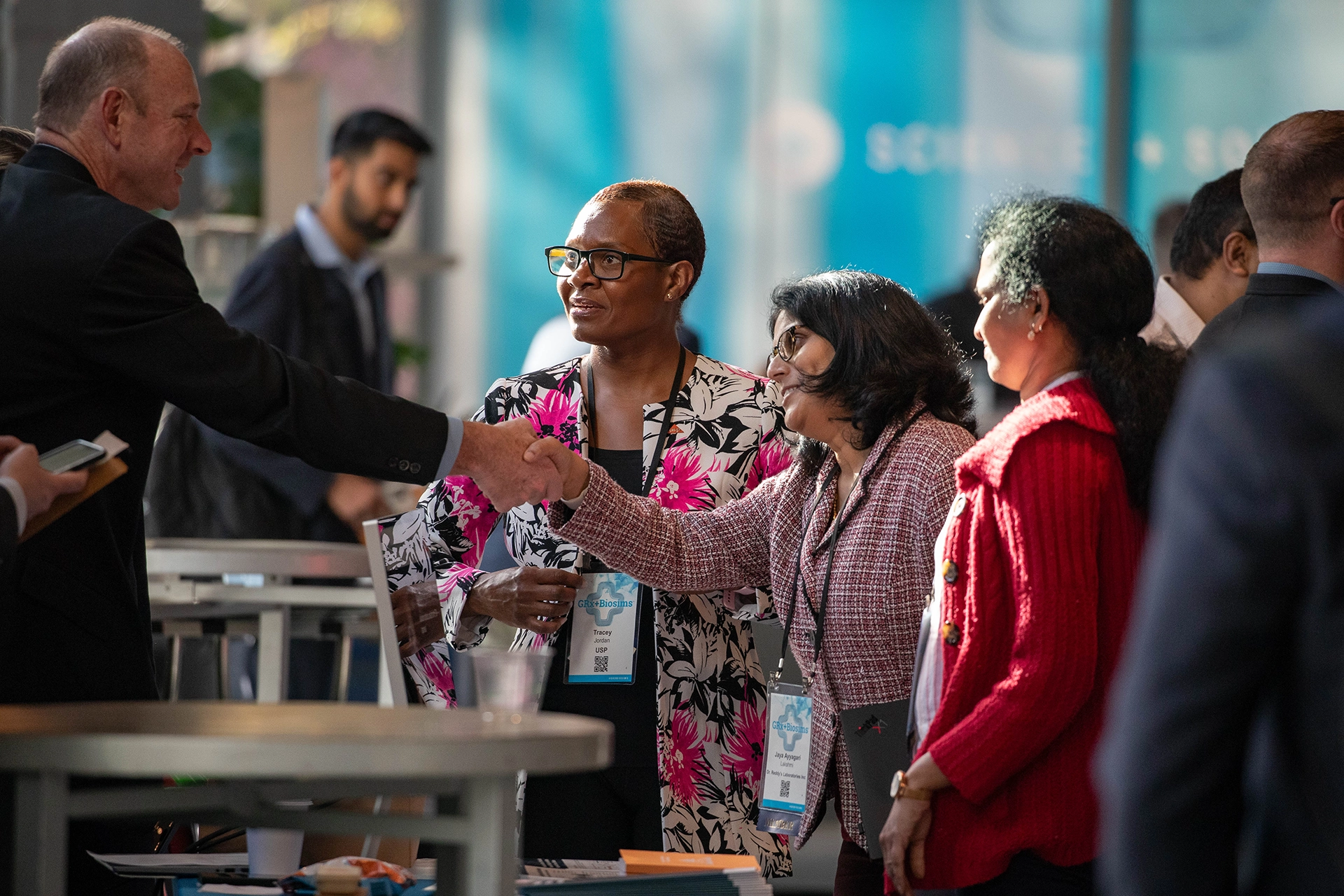
From the plenary stage to the final breakout, Day 1 captured what makes GRx+Biosims unique: collaboration grounded in science, animated by purpose, and driven by people who believe access is the ultimate innovation. As attendees spilled into the networking reception, one theme from John Murphy’s opening still echoed: “Bringing passion to purpose” isn’t just a slogan—it’s the heartbeat of an industry determined to keep patients first.
Read GRx+Biosims 2025 Day 2 Recap